• Skip to primary navigation
  • Skip to main content
  • Skip to footer

Air Kozy

  • Air Purifiers
  • Humidifiers
  • Dehumidifier

Air Purifiers

7 Houseplants That Help Air Purifiers In Improving Indoor Air Quality

Last updated: March 17, 2022

Improving your indoor air quality is important. You deserve to breathe fresh and safe air, after all. 

Unfortunately, numerous compounds, chemicals, and organisms can contaminate your home or office. For instance, cigarette smoke can cause breathing problems and even cancer. The threats of indoor air pollutants are always present. Dust, pollen, pet dander, bacteria, and molds are among the common invaders that can affect your respiratory health.

The good news is that plants can help to purify the air in your home. They can work hand-in-hand with air purifiers in ensuring the freshness and breathability of your indoor air. Hence, homes that are studded with plants often exude a cool and healthy ambiance. 

Specific plants excel in absorbing pollutants floating in the air. Specifically, they aid in adding extra breathability and freshness in the air you breathe. See them now!

Houseplants That Help Air Purifiers In Improving Indoor Air Quality

1. Devil’s Ivy

One of the best plants for purifying indoor air is the Devil’s Ivy, otherwise known as dracaena. This plant is commonly found indoors and outdoors, although its best feature is its ability to absorb a variety of toxins like carbon monoxide, formaldehyde, and sulfur dioxide. It can make the air you breathe cleaner and healthier, allowing you to have a more relaxing and productive time at home. 

Because of its small leaves and vines, this houseplant typically arrives in decorative baskets. We recommend that you keep it near the windows. But at the same time, you shouldn’t expose it to too much sunlight. Moreover, its soil should remain moist all the time. 

Devil’s Ivy also excels in removing benzene, xylene, and other chemicals found in household products. By the way, don’t let your pets be near it, as it can be toxic when eaten. 

2. Peace Lily

You may also want to consider getting a peace lily for indoor use. This particular plant has white flowers with a bright yellow center. 

The best part is that it requires very little sunlight or water, so you can keep them indoors without any worry. As a matter of fact, this indoor plant should never be exposed to direct sunlight, as its leaves are quite sensitive. Maintenance is not difficult, as well, as you simply need to water it once a week. It is also the reason why it is a popular plant for homes. 

Based on studies, Peace Lily is the most effective indoor plant in dealing with volatile organic compounds, such as formaldehyde, trichloroethylene, and other chemicals found in cigarettes and air fresheners. 

Similar to Devil’s Ivy, Peace Lilies are toxic to both animals and humans. Hence, ingesting them is prohibited. 

3. Florist’s Chrysanthemum

Having its scientific name as Chrysanthemum morifolium, Florist’s Chrysanthemums are another common indoor plant that has many benefits. First, it can reduce air pollution by filtering out volatile organic compounds and carbon dioxide from the air. Second, it also reduces dust, smoke, and other allergens from the air. Third, it cleans the indoor air by absorbing other toxins and pathogens.

With the correct care and maintenance, the Florist’s Chrysanthemum is capable of generating colorful flowers. These flowers improve the overall ambiance of indoor spaces and enhance the interior decor.

Again, Florist’s Chrysanthemum is dangerous when it comes to animals. Once ingested, it can cause vomiting and diarrhea. 

4. Snake Plant

This is a low-maintenance plant and is believed to purify indoor air by removing formaldehyde and other potentially dangerous chemicals like nitrogen oxide. It is also capable of reducing carbon dioxide levels.

NASA has already confirmed that Snake Plants are great for absorbing toxins that could damage the respiratory system of children and older adults. 

Furthermore, Snake Plants are great household plants because they don’t require too much sunlight for extended periods. However, we have to remind you that you should never water it too much, as it tends to rot when its soil is moist. 

Overall, the Snake Plant is a reliable plant that is easy to grow and provides useful results, especially in improving indoor air quality. 

5. Red-Edged Dracaena

This is a low, bushy foliage plant that is easy to maintain. Red-Edged Dracaenas are known for being able to absorb carbon dioxide and release oxygen into the environment. They purify the air and filter airborne toxins so that they do not pollute the air that we breathe. 

Red-Edged Dracaenas are commonly used in offices, hospitals, and homes because they purify indoor air while generating oxygen. It is also a popular indoor plant in America because of its astute appearance and hassle-free maintenance. Just keep in a part of your home where it can receive indirect sunlight, and it can already survive. 

The Red-Edged Dracaena is also effective in dealing against VOCs, such as formaldehyde, a common chemical released into the air when wood furniture gets old and dries out.

6. Flamingo Lily

The Flamingo Lily is a plant with bright red flowers and long, dark green leaves that can grow as tall as 12 inches. The leaves of the Flamingo Lily have thick edges, but they are very airy and have fewer veins than other tropical plants. 

The Flamingo Lily is a native plant of tropical areas, including parts of Africa, Asia, and Central America. It is a flowering perennial plant that grows naturally in bright conditions with lots of water. The Flamingo Lily is suitable to use in garden planters because of its bright flowers and long leaves.

Similar to other household plants here, the Flamingo Lily excels in removing VOCs, such as toluene, xylene, and ammonia.  

But here’s the thing: Flamingo Lily isn’t that simple to grow or maintain. Specifically, it opts to settle in highly humid environments. If your indoor space has a humidity level of less than 50 percent, this plant will likely die. Having a humidifier could help fix this problem. 

7. Lady Palm

The Lady Palm is also known as the “Broadleaf Lady Palm.” It is still a houseplant that provides benefits to one’s home, especially in the aspect of improving its indoor air quality. 

Interestingly, this plant can go as high as six feet. Hence, it is an excellent corner plant. It can also survive in low-sunlight conditions and moist environments. It can also deal with varying temperatures. 

This Asian plant is said to be an excellent absorbent of ammonia, formaldehyde, and toluene, according to the NASA Clean Air Study. 

How Indoor Plants Can Help Air Purifiers In Cleaning Your Indoor Air?

Here, we can see that there are a plethora of indoor plants that can help regulate your indoor air quality. These plants, aside from being easy to maintain, can ensure that you can breathe fresher air.

Surely enough, having these plants should be enough. But if you want to ensure that no airborne pollutants can affect your health, we recommend that you get air purifiers for your interior space. You see, air purifiers are more efficient than indoor plants in controlling air pollution inside your home. With them around, your living spaces and rooms would become a lot fresher and more comfortable.

These air purifiers have filtration systems that enable them to capture various types of pollutants in the air. One of the common filters that they have is a HEPA filter. A HEPA filter can trap 99.97 percent of all pollutants that are as small as 0.3 microns, making your home a lot safer from allergens. 

Meanwhile, these air purifiers also include pleated mechanical filters. These types of filters can trap debris, dust, and large pollutants that can damage the HEPA filter. 

For odor and smell, some air purifiers have activated carbon filters. These filters are designed to capture gasses, chemicals, and other odor-causing pollutants. 

Overall, having an air purifier can greatly improve the air quality in your home. It can also enhance the efficiency of your indoor houseplants in absorbing potentially harmful airborne pollutants. 

Winix 5300 vs 5500: A Comparison Between Two High-Quality Air Purifiers

Last updated: March 17, 2022

In this Winix 5300 vs 5500 comparison, we will take a look at the performance of these two high-quality air purifiers. Both of them have unique specifications and features. Hence, it is essential that you can compare their qualities side-by-side to see which one is suitable for your space. 

Having an air purifier is essential these days. This device helps address indoor air quality problems. If you have poor air quality because of your ambient and external environment, then investing in an air purifier is a must.

These days, numerous air purifiers are present in the market today. Many of them are made by competing brands, such as Honeywell, Levoit, and Winix. Winix, for instance, has manufactured a plethora of noteworthy air purifiers. You can rely on its air purifiers because they provide efficient performance. And while it is true that their air purifiers aren’t exactly the best, you will still find them extremely useful. 

Here, we are going to compare two air purifiers from Winix: Winix 5300 and Winx 5500. Both of these two devices are among the best-selling products of this brand. Hence, it is just necessary to compare them, especially if you are torn about which one to choose. 

Winix 5300 vs 5500: An Overview

Before we highlight the respective differences and similarities between these two air purifiers, let’s check their individual capabilities first. Let’s start with the Winix 5300. 

Winix 5300 Air Purifier

One of the things that Winix 5300-2 flaunts is its four-stage filtration system. Most of the air purifiers these days only come with a three-stage filtration system. The additional stage of the Winix 5300 comes in the form of its PlasmaWave Technology. The said filter is claimed to be efficient in reducing bacteria and germs in a given space. While it seems attractive, we haven’t found any studies, yet that prove the effectiveness of this setup against the aforementioned contaminants. 

Despite that, the other filters equipped in the Winix 5300 are downright effective. Its HEPA filter is capable of trapping microscopic contaminants. At the same time, it also helps reduce the presence of allergens. Its fine pre-filter works well in trapping larger debris so that it won’t damage the HEPA filter. And finally, the activated carbon filter does its job in making your air cleaner and fresher by removing chemicals and odors. 

Of course, this air purifier is intuitive, as well. All of its controls are placed on its top panel. You can access them easily, too, due to the fact that this air purifier is somewhat tall. You don’t need to bend over that much. Moreover, it has built-in smart sensors that detect your indoor air quality.

Check the Winix 5300 Air Purifier now. 

Winix 5500 Air Purifier

The Winix 5500-2 Air Purifier is similar to the Winix 5300-2 when it comes to its filtration system. It still features a four-stage filtration system. Hence, aside from the conventional pre-filter, HEPA filter, an activated carbon filter, it also comes with the Winix PlasmaWave technology. Again, we emphasize that this particular component doesn’t have a tested-and-tried efficiency. But the rest of the filters really work fine. 

This device includes an air quality indicator, as well. Once the light turns blue, it means that your indoor air is just fine. An orange light indicates that your air is fair. Red means that you have air pollution in your house that you need to deal with. 

Interestingly enough, it also features dual smart sensors that measure your indoor air quality. Once it detects changes in your ambient environment, it will automatically adjust its fan speed as immediately as possible. It is one of the helpful features present in this air purifier. It removes the need for you to manually configure the air purifier from time to time. 

Check the Winix 5500 Air Purifier now. 

Winix 5300 vs 5500: Technical Specifications

This time, let’s see the respective technical specifications of the Winix 5300 and Winix 5500. Here, we will be able to compare these two air purifiers based on the details on their construction, design, and efficiency. 

Winix 5300 Air Purifier

Model NameWinix 5300
Dimensions15 inches x 8.2 inches x 23.6
Item weight14.8 pounds
Coverage (floor area)360 square feet
Number of air changes per hour5 cycles per hour
CADR RatingDust – 243Pollen – 246Smoke – 232
Energy Star RatingYes
Whisper-quietYes
Automatic shutdown timerYes
Touch screen controlYes
Number of filters4
Warranty2-year limited warranty

Winix 5500 Air Purifier

Model NameWinix 5500
Dimensions15 inches x 8.2 inches x 23.6
Item weight14.8 pounds
Coverage (floor area)360 square feet
Number of air changes per hour5 cycles per hour
CADR RatingDust – 243Pollen – 246Smoke – 232
Energy Star RatingYes
Whisper-quietYes
Automatic shutdown timerYes
Touch screen controlYes
Number of filters4
Warranty2-year limited warranty

As you can see, both of these air purifiers have the same technical specifications. They don’t have any variations, especially when it comes to output and performance. But then again, there’s a reason why they are different. You can learn their nuances below. 

Winix 5300 vs. 5500: Key Differences

Evidently, the quality of these two air purifiers from Winix are differentiated by their filtration systems. 

Activated Carbon Filter 

The Winix 5500 features a Washable AOC carbon filter, which is efficient in reducing household odors and VOCs coming from cleaning chemicals and cosmetics. It has a durable construction and provides an extended lifespan of up to a year. The reason for this is that this activated carbon filter is washable. Once it has accumulated enough dirt, you can remove it from the air purifier for washing. You don’t need to buy replacements right away. Hence, the Winix 5500 is a much more cost-efficient cost than the 5300 Air Purifier. 

The Winix 5300 Air Purifier includes a carbon filter, which offers the same capabilities as the activated carbon filter of the Winix 5500. But this time, you can’t wash it. Hence, once it has already accumulated enough dirt, you have to replace it right away. Otherwise, it would get in the way of the performance of the air purifier. By the way, allow us to remind you that the replacement filters of Winix aren’t that inexpensive. And based on user feedback, you might need to replace the filters of this device every three to four months.

Price

Another difference between these two air purifiers is their price. Because of the washable quality of the activated carbon filter of the Winix 5500, it can be seen that it is more expensive than the Winix 5300 air purifier. Fortunately, the gap in their cost isn’t that big. The only thing that you need to look at here is the cost-efficiency of their operation. For now, we deem that you can save more money in the long run if you use the Winix 5500.

Winix 5300 vs 5500 Air Purifier: Shared Similarities

Allow us to highlight some of the important aspects where the Winix 5300 and Winix 5500 are on the same playing field. 

  • Room Size – Both of these air purifiers are designed to work on spaces up to 360 square feet. However, they are also advertised to operate in larger floor sizes, with a caveat that their performance would somewhat be reduced. We only recommend that you use these air purifiers in their ideal settings so that you can experience their full benefits. 
  • Air Quality Sensors – It is also notable that both of these air purifiers have air quality sensors installed on them. They estimate the air quality of a given space, allowing them to adjust the performance of the air purifiers accordingly. By the way, the adjustment of the fan speed in real-time. Users can also keep track of the air quality through its light indicators.
  • Energy Efficiency – These air purifiers have Energy Star certifications, which means that they don’t consume too much power in their operation. Even if you run them for extended periods, they won’t cause a sudden spike in your electricity bills. If you set these devices on their lowest settings, you will see minimal changes in your power consumption.

Final Verdict

Overall, we deem that the performance of the Winix 5500 and Winix 5300 is just the same, given that they share similar specifications. As we said, the only aspect they differ from is their carbon filters. Winix 5500 offers more cost-efficiency, as its pre-filter and carbon filter are both washable. Winix 5300 doesn’t offer the same value. So if you are going to look at this particular aspect, then the Winix 5500 is a more worthy acquisition than its counterpart. 

We hope that you found this guide useful. For other inquiries, feel free to drop them in the comment section below. 

The Importance Of Controlling The Indoor Humidity Of Your Home

Last updated: March 16, 2022

Why is there a need to control the indoor humidity of your home or building?

Maybe some of you haven’t thought of this matter before. Humidity, after all, is among the least-mentioned issues that come into the mind of homeowners. However, you should not shrug it off. 

Humidity that is too low or too high is bad for your health. It also causes structural damages, which is something that you don’t want if you put a high value on your property. Managing humidity is crucial to ensure the conduciveness of your space and its overall structural integrity over time. 

What Is Humidity?

Humidity is a measure of how much water vapor is in the air. When air is fully saturated with water vapor, its relative humidity is 100%. 

Meanwhile, relative humidity is the measure of the amount of water in the air together with the maximum moisture present. The higher the temperature gets, the more water vapor air can contain. Oppositely, when the temperature is low, the carrying capacity of the air to carry moisture is low, too. Hence, you should not be surprised that warm regions have damp or wet air.

Humidity is an integral part of the Earth’s atmosphere; it is derived from the water vapor that lingers on the air. Water vapor occurs in the atmosphere through evaporation in major water bodies such as seas and lakes. 

You can remove humidity, as it is an existing component of the water cycle. As water evaporates, moisture in the air occurs. However, this moisture is then removed when condensation takes place. 

What Is The Healthy Indoor Humidity Level?

You wouldn’t want to keep your air too dry or too wet. Later on, we will discuss the effects of each of these situations. 

As a responsible homeowner, you would want your indoor space to be conducive to your comfort and health. It should be free from impurities and other sources of irritations. Of course, setting the proper humidity levels can help you in this aspect. 

Many have different suggestions when it comes to the healthy indoor humidity level. After all, people base their perception on their degree of comfort, and that’s not entirely wrong.

However, experts suggest that the humidity level of a home should only stay between 40% to 60%. Any lower or higher than this range and you will experience various humidity problems such as allergies and respiratory illnesses.

Fortunately, you can always protect yourself and your family from the potentially harmful effects of humidity by having a humidifier and dehumidifier. A humidifier adds moisture to the air; a humidifier reduces it. You can get either of these devices depending on your needs. 

Reasons Why You Need To Control Indoor Humidity

What Happens If The Indoor Humidity Is Too Low? 

Low humidity usually refers to the dryness of the air. It is a common occurrence during the cold season–where the temperature is quite low. Combined with the use of heating systems, it is entirely usual to experience arid air during winter. 

But just because it is normal doesn’t mean that you can just let it off the hook. Otherwise, you would experience the following things:

Dry Skin

Dry skin is the result of low humidity in the air, and the more intense the dry climate, the drier your skin will get. It’s actually the air, not the water in your skin, that keeps it from getting dry. The air’s relative humidity, which is the amount of moisture in the air compared to the maximum it can hold at a certain temperature, affects how much water your skin and hair can absorb from the air. When it is humid, it takes longer for the water that your skin puts out to evaporate, so it doesn’t evaporate as quickly as it would in low humidity.

Influenza

Flu transmits easily when the air is dry, according to several studies. Many are reluctant to believe this fact, but the link between low humidity and virus transmission is quite strong. To be on the safe side of things, you need to ensure that your indoor air is properly humid. You don’t want any virus to compromise the health of your family. 

Nose Bleeding

Low humidity can cause nose bleeding in some people. When the humidity drops, nostrils are subjected to dry air, which triggers the inflammatory response. Inflammation causes the capillaries in the nostrils to expand. This is harmless in itself, but when the air becomes too dry, those capillaries can expand too much and burst, causing nose bleeding.

Furniture Damage

If you have wooden furniture, low humidity is bad news for you. Wood is one of the most versatile and useful materials in the world. But even the most vigorous trees can be damaged by high or low humidity levels. You may not think humidity has much to do with wood, but actually, the opposite is true. All wood is made up of a matrix of wood cells, which contain cellulose. Cellulose is a strong substance, but it does need moisture to maintain its integrity. The absence of water vapor in the air reduces the rigidity of wood; over time, it would crack and get brittle. 

Stress

Many people are surprised to find that humidity levels can affect their mood: it turns out that low humidity levels are a common trigger for stress. The reason is that low humidity levels make the air feel drier than it actually is. Our body’s natural reaction to this is to signal a stress response to prepare us for an emergency. This is why some people feel very tense, anxious, or even panicked when they are in a dry climate.

What Happens If The Indoor Humidity Is Too High? 

Mold Growth

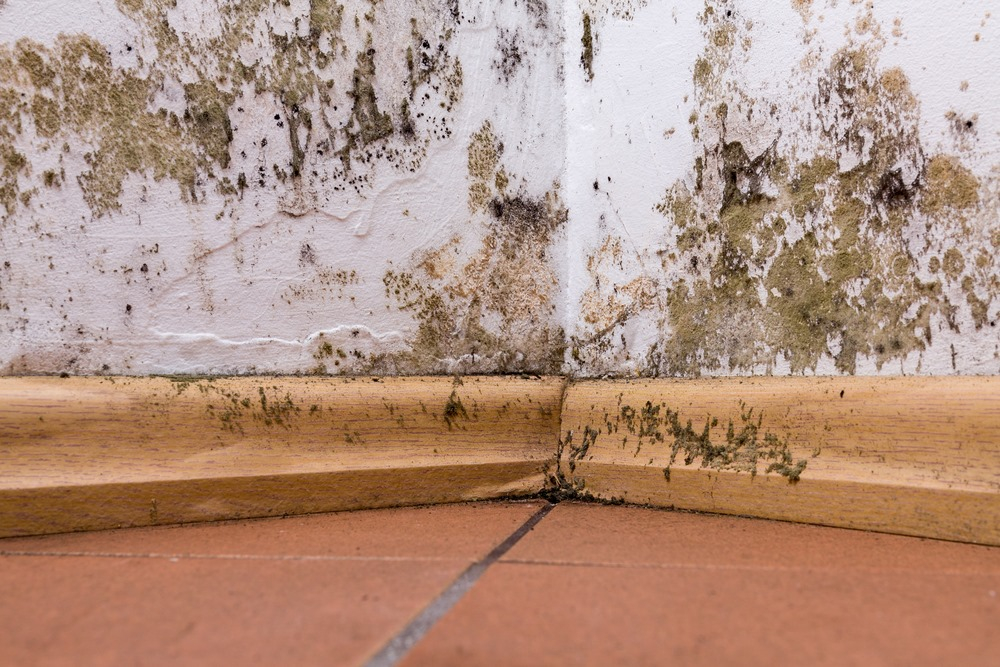
High humidity is a big concern for homeowners and building managers. When the relative humidity in the home is too high, mold growth can occur. It is estimated that high humidity is responsible for 20% of all mold complaints. Keep in mind that bacteria and molds proliferate quickly in highly humid environments. The rooms in your home with the highest humidity levels are the most likely candidates for mold growth. The highest humidity levels are usually found in the kitchen and bathroom, especially the bathroom, since it’s where we shower. 

Respiratory Illnesses

Asthma and respiratory illness are typically seasonal since they often occur during peak periods of pollen and mold growth. Still, they can also be triggered by various factors, including cigarette smoke, air pollution, and even high humidity. Surprisingly, all of these triggers can take advantage of the moist environment inside our homes, especially during humid summer months.

Increase In Dust Mites

An increased level of humidity in your home can cause the proliferation of dust mites. Dust mites are microscopic organisms that are normally found in the home. They feed on the flakes of dead skin that we all shed naturally as we go about our daily business. However, one should know that dust mites are always present in highly humid conditions, as they absorb water for their survival. Once you regulate your indoor humidity, these dust mites will no longer infest your home. 

Heat Exhaustion

When summer arrives, so are the hot, humid days. In fact, high levels of humidity can make it feel like it’s hotter than it really is, making the heat of the sun unbearable to many people. This is because the excess water in the air prevents the body from sweating, which is our internal mechanism of cooling. If the body can’t cool down, it is completely possible to suffer from heat-related conditions such as fainting and stroke. 

Ways To Control Indoor Humidity

There are a lot of things that you can do to ensure that your indoor humidity remains at safe levels. 

  • Of course, the first solution is purchasing a humidifier or dehumidifier. These devices can help you combat the inconsistencies in the relative humidity of your indoor space. They are a great addition to your home, especially if you or your family members are prone to respiratory illnesses, allergies, and other humidity-related health conditions. 
  • If you see that there is moisture gathering in any parts of your home, you should dry it right away. Afterward, determine the cause or origin of the condensation. 
  • Your windows and storm doors are efficient in reducing moisture in your space. For instance, upgrading them to double or triple-pane windows can provide insulation from the cold temperatures, preventing the cool and dry air from settling in. 
  • You may also want to open the blinds and drapes during winter. This would help warm your interior glass. It may cause a little bit of condensation, but the enhanced air circulation can compensate for that. 
  • You should work with your heating and cooling systems, too. Electric and gas furnaces curb excess humidity with the heat they release. Meanwhile, air conditioners reduce moisture because they make the air dry and cool. Using them properly can help address the fluctuating moisture levels in moisture. 
  • It is essential that you consider caulking the gaps and seams of your home. It doesn’t only prevent humid air from entering; it also makes your home energy efficient. 

Other simple but clever ways to control indoor moisture:

  • Always cover your pots while you are cooking
  • Interior doors should remain open for enhanced air circulation
  • Cover your aquariums if you have them

In Summary

The importance of controlling indoor humidity is essential for the health and welfare of your family. Being exposed to abnormal levels of humidity can bring multiple problems to your body and even to the structures of your home. 

Furthermore, you should consider buying a humidifier or dehumidifier to guarantee that you’ll be able to regulate the moisture levels of your living spaces whenever you need to. 

That’s it for now. If you have other inquiries, feel free to ask me in the comment section below.

Levoit LV-H132 Air Purifier Review

Last updated: March 16, 2022

The LV-H132 Air Purifier is one of the many air cleaners manufactured by the brand Levoit. It is a well-designed air purifier that hosts several features that could help you improve your indoor air problems. In this Levoit LV-H132 Air Purifier review, we will be looking at the actual capabilities of this device and see whether or not it is a suitable option for your home. 

The problem caused by indoor air pollution is something that we can’t shrug off. It results in numerous health complications, such as asthma, allergies, and coughing. It also reduces the overall livability of your space. It is not easy to get comfortable in an area that is riddled with dirt and bad odor. 

The existence of air purifiers is heaven-sent. Unlike outdoor air pollution, indoor air problems can be resolved through the use of special mechanisms, such as air cleaners. These appliances and devices can capture particulates in the air through their series of filters. In fact, some of them have unique filters that can reduce nasty smells inside a given space. 

The Levoit LV-H132 Air Purifier is among the popular air purifiers in the market today. Manufactured by Levoit, the Levoit LV-H132 boasts itself as an effective utility in reducing airborne pollutants indoors. Based on its market performance, we can say that many users are quite satisfied with its performance.

Here, we are going to take a look at the qualities of the Levoit LV-H132 Air Purifier. Specifically, we will be checking the anatomy of its performance and configuration to assess what it can do and the possible limitations that it has. 

Levoit LV-H132 Air Purifier Review

The Levoit LV-H132 Air Purifier claims to have a home-friendly performance. It is one of the flagship air purifiers released by Levoit in its attempt to supplant the usage of ionizer-type air purifiers, which are known for removing pollutants known as ozone. 

The Levoit LV-H132 Air Purifier uses the conventional air purification mechanism. Specifically, it has three filters in its system: the True HEPA filter and the pre-filter set (activated carbon filter and mechanical filter). The pre-filter has been pre-installed already. Only the HEPA filter requires installation, which is just a little work. You simply have to insert it inside the air purifier. 

Since it applies conventional air purification technology, there’s a guarantee that it can remove both large and microscopic contaminants in the air. It effectively deals with allergy-causing pollutants and other airborne particles that could harm your respiratory system. In fact, it is also capable of minimizing the odor released by food, pets, and smoke, with its activated carbon filter. 

Performance-wise, there’s nothing wrong with this air purifier. However, we have to emphasize that it is just a small air cleaner. It doesn’t have a powerful air intake that would have allowed it to absorb as many particles suspended in the air. This air purifier is only rated to work on spaces with floor sizes of 129 square feet. Therefore, it could only suit small rooms. If you are going to use it in spacious living rooms, it might yield little effect. 

Apart from that minor gripe, everything is going well with this air purifier. Aside from its seamless air purification performance, this device also operates quietly. It is a feature that tells us that this air purifier is really designed for bedrooms and nursery rooms. Its lowest setting has a sound level of just 25 decibels. Meanwhile, the highest setting gives off a perceptible sound. But it is more like a hum, so it is not bothersome at all. In fact, if you like white noise while you are sleeping or relaxing, its hum can definitely soothe you. 

This air purifier has a simple interface, as well. It is one of the things that we like about the Levoit LV-H132 Air Purifier. Its control panel is placed on its top, so accessing it is not a problem. But since this air purifier is small, you have to kneel so that you can operate it. 

Unlike other air purifiers, this one has an adjustable brightness level on its backlight. You can switch it off if you want to. That’s a beneficial feature for users who tend to sleep while their lights are off. 

Verdict

Overall, we found the Levoit LV-H132 Air Purifier to be an appealing air purifier when it comes to price and performance. While it may not have superior features that can topple the competition, it still does the job of cleaning your indoor air. It has low operating costs and works quietly, making it suitable for frugal households and noise-sensitive environments. 

Of course, it is still up to you whether you want to invest in this machine or not. It doesn’t suffer significant issues, so it should still be a viable air purifier for many people. 

Pros:

  • Easy to use
  • Operating cost is minimal
  • Low-noise performance

Cons:

  • Not a suitable choice for larger rooms

Check the Levoit LV-H132 Air Purifier now!

Levoit LV-H132 Air Purifier: Technical Specifications

Model NameLevoit LV-H132
Dimensions7.9 inches x 7.9 inches x 12.6 inches
Item weight6.5 pounds
Coverage (floor area)129 square feet
Number of air changes per hour3 cycles per hour
CADR Rating40 CFM
Energy Star RatingNone
Whisper-quietYes
Automatic shutdown timerYes
Touch screen controlYes
Number of filters3
Warranty5-year limited warranty

Levoit LV-H132 Air Purifier: Notable Features

Here are some of the key features that the Levoit LV-H132 Air Purifier possesses. 

Low Operating Cost

It’s pretty evident that one of the best features of the Levoit LV-H132 Air Purifier is its low operating cost. This is an area that the Levoit LV-H132 excels over other air purifiers. 

First, this product costs less than a hundred bucks. That’s pretty affordable, considering the features and qualities that it has. Meanwhile, its filter replacements are inexpensive as well. One filter only costs roughly $15. At the same time, it only consumes 0.015kWh of power per hour. 

With these figures, we can assess that the lifetime cost of operating this air purifier is only $280 (assuming that this air purifier can last for five years). It is extremely cost-efficient; such a value is among the cheapest of all the air purifiers we have assessed. 

Ease Of Use

As mentioned, the quality of the Levoit LV-H132 Air Purifier is validated by the simplicity of its operation. It’s one of the key aspects that we enjoyed about this air purifier, and it is something that’s worth emphasizing. 

This air purifier is already usable fresh from the box. You simply need to take out the plastic cover of its filter before reinserting it. After that, you can already turn the device on. It’s that simple! 

Furthermore, all the controls, including the power button, are placed on the top portion of the air purifier, specifically on edge. They are touch buttons, which means that you don’t need to press them hard before you can activate them. There is also a backlight in each of the buttons, allowing you to see them in the dark. 

Also, it is notable that this air purifier isn’t heavy. With a weight of only 6.5 pounds, moving it from one place to another is not a problem. It has a compact size, which enables convenient handling. 

Noiseless Operation

One of the strong points of the Levoit LV-H132 Air Purifier is its noiseless operation. Every time it runs, the sound it generates is almost inaudible. Put it on its lowest setting, and you’ll expect something majestic. 

If you place it on its high and medium settings, the hum can be noticed. However, the hum is quite similar to white noise, which is pretty acceptable already. Because of this, you should not encounter any qualms when it comes to placing this air purifier in your bedrooms. 

Given that this air purifier is designed to operate continuously, its quietness will benefit any household. It lets you do your thing without being disturbed by cacophonous sounds. 

Customer Reviews

Here is a summary of the frequent user feedback for the Levoit LV-H132 Air Purifier. Check them out:

Many have commended that this air purifier is compact but has significant impacts on indoor air quality. Many who live in urban settings have commented that this air purifier has helped them breathe better air inside their homes.

Aside from that, people also said that the Levoit LV-H132 Air Purifier is a quiet tool. Its hum is said to be similar to white noise. We also have the same findings, so we completely agree about this matter. 

On the flip side, this air purifier features blue illumination. If you want to sleep soundly, you wouldn’t want to see this type of light. After all, blue light can inhibit your sleep. 

Frequently Asked Questions

Q: Can this air purifier clean multiple rooms?

A: No. The Levoit LV-H132 Air Purifier is only capable of single-room air cleaning. You shouldn’t use it in large areas. 

Q: Can its lights be turned off?

A: Fortunately, you have the option to turn it off. Just hold the bulb icon of the air purifier, and it will shut down its backlight. 

Q: Can this air purifier remove wildfire smoke? 

A: Yes. But keep in mind that it has limited coverage. Hence, you might need to purchase bigger air purifiers if you want to eliminate the presence of wildfire smoke in your area. 

In Summary

The Levoit LV-H132 Air Purifier is definitely a decent air cleaner that doesn’t cost too much. It has a solid construction and seamless operation, allowing it to perform when it is needed. However, keep in mind that its coverage is not that big. At the same time, it doesn’t have a powerful air intake, unlike its other counterparts. Hence, you should only use this air purifier in small spaces. 

I hope that you find this Levoit LV-H132 Air Purifier review useful. For other inquiries, feel free to drop them in the comment section below.

Air Purifiers vs. Ozone Generators: Which Of Them Is Better?

Last updated: February 1, 2022

Having indoor air problems is difficult. It causes numerous health problems, such as the proliferation of asthma and allergies. Furthermore, polluted indoor air doesn’t feel good when inhaled. 

Fortunately, there are numerous air cleaning systems that are already available for consumer use these days. Of course, it is up to you which one you should pick. Today, the most common ones are air purifiers and ozone generators. Both of these technologies have claimed that they can reduce the number of air pollutants in a given space. 

Here, we will divulge the key differences between ozone generators and air purifiers. In this way, you will be able to decide which one works for you. And of course, we will reveal which system provides the utmost benefits and efficiency. 

Read on. 

Air Purifiers vs. Ozone Generators: An Overview

Right from the get-go, we need to emphasize that ozone generators and air purifiers are two different systems. Their mechanisms are entirely similar. They implement unique technologies that could help deal with airborne pollutants. 

Air purifiers

Air purifiers are a tool for cleaning and freshening the air. They are electrical appliances driven by filters so that they can remove particles and gasses. The best air purifiers can remove pet dander, mold spores, pollen, dust, smoke, and even viruses. 

Not all air purifiers are the same. Some provide better filtration and coverage than others. However, the principle of their operation remains the same. They use several filters, such as HEPA filters and mechanical filters, to capture pollutants. Some include activated carbon filters that can reduce the prevalence of foul odor. This design is simple but is thoroughly effective. 

Ozone generators

An ozone generator is a tool for those who depend on clean air. Although some people use an ozone generator for fun, others use it for health. An ozone generator is a tool that can be used to prevent extensive damage to human health from naturally occurring air pollution. Some manufacturers offer models that operate via hazard sources such as smokestacks or cigarette boxes.

However, the effectiveness of ozone generators remains questionable. Aside from that, they are some studies that suggest that they induce health problems. While it is true that ozone can defend you from UV rays, it still has adverse effects if you inhale it.

According to its manufacturers, ozone generators produce charges to contaminants when they get in contact. Once there’s a charge, these airborne pollutants will get heavy, which, in turn, cause them to drop in the ground or any surface. In short, ozone generators can prevent pollutants from floating in your air. Once they are in the ground, you will be able to sweep them. 

Technically, this mechanism does work. However, it would require a lot of time before it takes effect. And while you are waiting for that to take place, there’s a possibility that you have already exposed yourself to a good amount of ozone. In fact, the United States Environmental Protection Agency has released an informational page that serves as a warning regarding the hazards and insufficiency of ozone generators. 

Air Purifiers vs. Ozone Generators: Their Mechanisms

As we have mentioned earlier, air purifiers use different types of filters to trap contaminants. No, these air purifiers don’t “kill” pollutants. Instead, they just trap them through the filters. By trapping them, they would no longer float in your air. 

The number of air changes and the power of air intake influences the performance of air purifiers. Hence, some are designed to work in large spaces, while others are only for single-room applications. 

At the same time, gauging the performance of air purifiers would also direct us to the type of filters that they are using. For instance, those that have HEPA filters are effective against microscopic contaminants that are 0.3 microns in size. Therefore, you can guarantee that these filters can help treat allergens and harmful pollutants that could affect your respiratory health. Over time, studies have shown that these air purifiers are effective in dealing with airborne impurities. 

On the other hand, ozone generators are releasing ozone–a type of gas in the air. This is done through the ionization of oxygen molecules that exist in the air. Because of this process, triatomic O3 gas is formed. Of course, triatomic O3 is just technical jargon for ozone. Once ozone interacts with pollutants, the latter would be neutralized (by making them heavy).

Why Are Ozone Generators Unsafe For Air Cleaning?

The fundamentals of ozone generators aren’t that bad. Scientifically speaking, ozone has properties that allow it to attach to various contaminants. In fact, ozone has commercial applications, specifically in treating air and water in areas where there is no human traffic. 

The only problem with these ozone generators is the amount of ozone that they need to create. These devices are required to generate large quantities of ozone that exceed safe levels. In a nutshell, ozone generators have to cause harmful effects before they can reduce the presence of contaminants in an area.

If you think about it, such a trade-off isn’t worth it. Hence, you should think first before you invest in these ozone generators. Even if a particular manufacturer claims that its ozone generator is safe, you shouldn’t trust it right away. 

Ozone is a type of irritant. Once you have prolonged exposure to this gas, you will inevitably suffer from frequent headaches or breathing difficulties. It can also heighten your susceptibility to asthma. You would never want ozone in your house, especially if there are children or older adults with you. 

In Summary

Between two air cleaning systems, it is evident that air purifiers generate better and safer effects than ozone generators. Hence, we always recommend that you go with air purifiers if you have indoor air problems. The technology behind these air purifiers isn’t complicated, but they are downright effective!

That’s it for now. If you have other inquiries, feel free to drop them in the comment section below.

  • « Go to Previous Page
  • Go to page 1
  • Go to page 2
  • Go to page 3
  • Go to page 4
  • Go to page 5
  • Go to Next Page »

Footer

AirKozy.com is a participant in the Amazon Services LLC Associates Program, an affiliate advertising program designed to provide a means for sites to earn advertising fees by advertising and linking to amazon.com.

Facebook

Instagram


Copyright © 2026 · AirKozy.com. All Rights Reserved.