• Skip to primary navigation
  • Skip to main content
  • Skip to footer

Air Kozy

  • Air Purifiers
  • Humidifiers
  • Dehumidifier

Dehumidifier

What Is The Ideal Humidity Level For Homes?

Last updated: April 12, 2021

What is the ideal humidity level for homes? How can you make sure that the current relative humidity in your space will not affect your health and the structure of your property? 

Humidity, or the presence of moisture in the air, occurs naturally. But at the same time, this doesn’t mean that it is alright that you will be exposed to extremely low or high humidity levels. Again, it can cause unwarranted effects on your well-being and the structural integrity of your house or building. 

It’s essential that we can determine the correct humidity in our spaces. In this way, we will be able to use tools like dehumidifiers and humidifiers appropriately.

What Is The Average Humidity Levels In America Per Season?
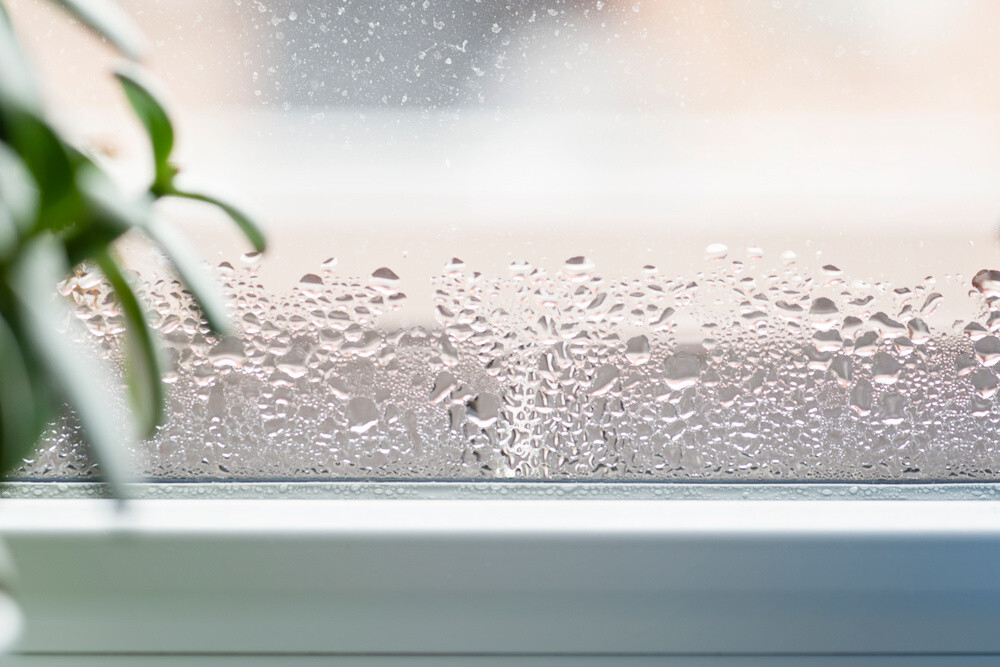
The humidity levels in the United States do vary by state. I do suggest that you check your local weather stations for this particular information. After all, humidity changes every day. 

In Summer

When the season is hot, the United States’ average humidity is roughly 80% in the morning. This one is recorded between 4 AM to 6 AM, local standard time. Meanwhile, the average afternoon humidity is 48%. Afternoon humidity is typically recorded between 3 PM to 5 PM, local standard time, where the temperature is high, and the relative humidity is at the lowest point. 

In Winter

During winter, where the temperatures are at the lowest point, the average humidity in the United States is 76.7% in the morning. When the evening comes, the average humidity drops to 58.6%. Based on the explanation above, these figures were recorded from 4 AM to 6 AM (for the morning humidity) and 3 PM to 5 PM (for the afternoon humidity). 

In Spring

Spring is one of the finest seasons in the United States, which starts March 1 and ends on May 31, based on the meteorological calendar. In this particular season, the average morning humidity is 76.3%, while the average afternoon humidity is 48.4%.

In Fall

In the United States, fall starts around September 23 and will end on December 21. The average humidity during this season is 80.8% in the morning and 52.8% in the afternoon.

Annually

Based on estimates, the average annual humidity in the United States is 78.7% in the morning and 52.3% in the afternoon.

Let me emphasize that these figures are just the average. I do recommend that you check the local weather and meteorological stations to see the average humidity on a daily basis. 

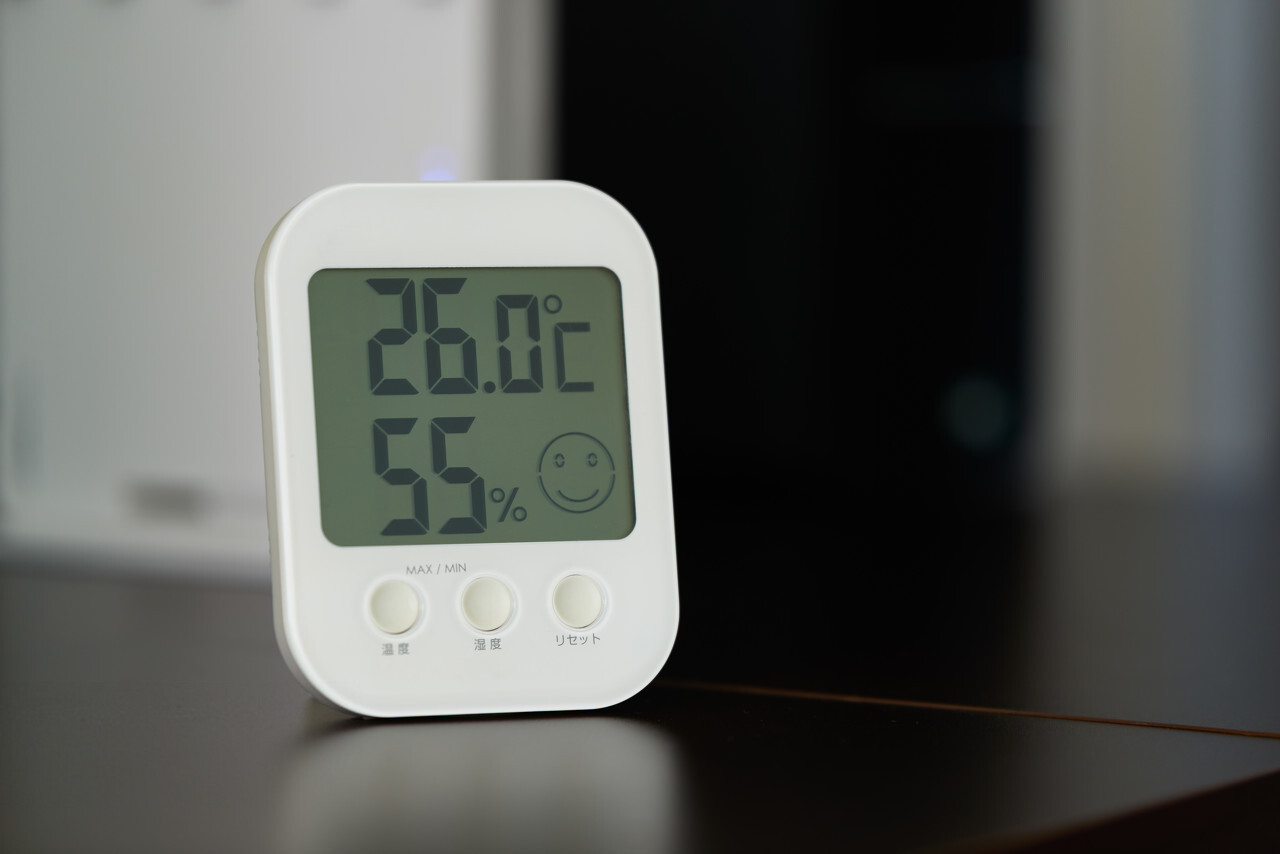
Alternatively, you can use a hygrometer so that you can measure the humidity in your area by yourself. For me, this is the most efficient way of determining relative humidity. After all, your only concern is mostly your own abode. 

What Is The Ideal Humidity Level For Homes?

Humidity refers to the amount of water vapor in the air. The moisture is indicated by ‘relative humidity’, which is the percentage of water vapor in saturated air at a particular temperature, relative to a maximum amount when all the air is fully saturated at that temperature.

The recommended humidity for homes should be between 45% to 60%. 

Now, based on the average humidity levels in the United States, you can say that the morning relative humidity for most states is higher than the recommended level. It is at this time where you need a dehumidifier running. 

But of course, if the relative humidity is low, you need to keep a humidifier to raise it to the appropriate levels. 

A hygrometer can help you determine if your indoor relative humidity is at safe levels. However, there are humidifiers and dehumidifiers that are equipped with this function. 

In Basements

Depending on where you live, the ideal humidity of basements can differ, and the humidity levels can also vary throughout the year. For example, in warmer areas, basements tend to be humid during the summer. A dehumidifier is extremely handy in these conditions. In colder regions, basements tend to be humid during the winter; hence, installing a humidifier is beneficial.

When the humidity in your home is too high, mold can begin to grow. Furthermore, it can cause some of its parts to warp and deteriorate. Keep in mind that water can weaken the structure and composition of various materials, especially wood. Once this happens, expensive repairs can take place. 

Keep in mind that your basement may be a part of the supporting pillars of your home, as it is located on the bottom part. If it gets damaged, there’s a good chance that several parts of your home will get affected, too. Hence, this area has to be correctly humid. Furthermore, if there’s high traffic in your basement, you wouldn’t want it to be riddled with molds and bacteria that are birthed from abnormal humidity levels. 

You have to put a humidifier and dehumidifier in your basement to combat the changes in the humidity levels. 

In Bedrooms

For most people, the ideal humidity of bedrooms is between 40% and 60%. However, if you suffer from asthma or allergies, you can benefit from a lower level of humidity.  This is because mold, bacteria, viruses, and dust mites thrive in a highly humid environment. Lowering your humidity level will also help you save on your energy bill, as a high humidity level will cause your cooling system to run more often.

In Garages

According to a study, the ideal humidity of garages is 40%. To keep any of your garage items lasting as long as they can, it is essential to have the right humidity. Having too much or too little moisture can cause wood to warp and rust metal tools. If the humidity is too low, the air may be too dry to prevent mold or mildew from spreading. If it is too high, then it can still result from similar structural damages. 

In Bathrooms

As with most of the air in our homes, the humidity in our bathrooms is constantly changing, often because of the activities that take place there. For instance, when you shower, hot water evaporates into the air, causing humidity levels to rise. Meanwhile, typical household activities like taking a bath or doing laundry can cause humidity levels to fall below the ideal range. Heat is one of the biggest contributors to rising humidity levels, so if your bathroom doesn’t have a vent, you might want to consider installing one to help prevent mold growth.

But similar to the ideal humidity levels in your living spaces, your bedroom should still maintain a relative humidity of 45% to 60%.

The Importance Of Correct Relative Humidity In Your Home?
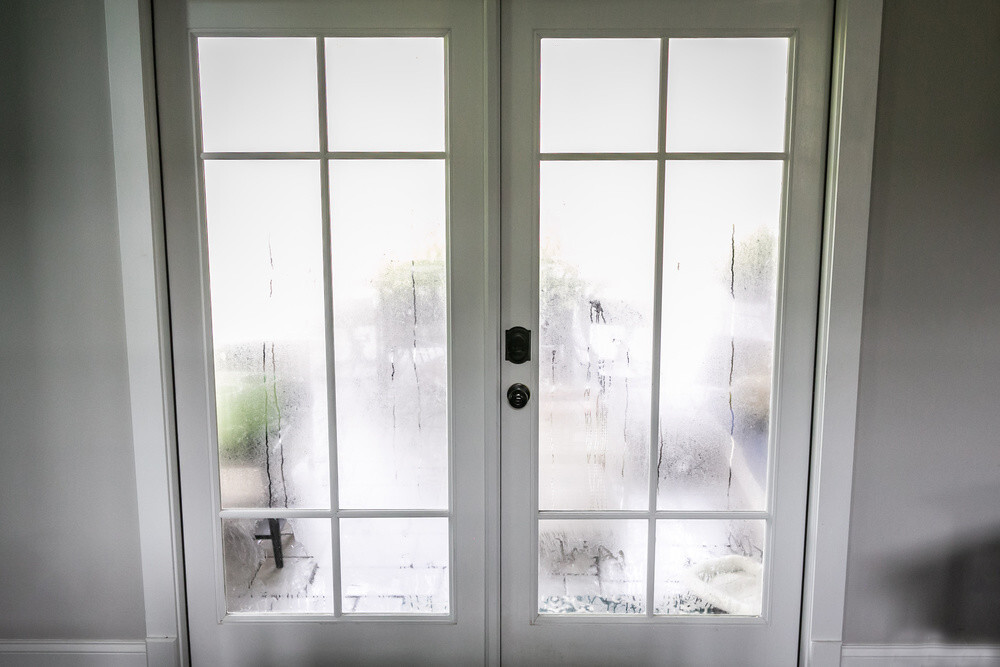
Humidity is a measure of how much water vapor is in the air. The greater the humidity level, the more water vapor is in the air. High humidity makes it hard for the air to shed heat. On the other hand, low humidity makes it harder for the body to maintain its normal temperature (hotter), as the air cannot hold as much moisture as it can at high humidity levels.

But first, let me discuss what relative humidity is. In this way, you will be able to understand when the appropriate situation where you can say that the humidity is either high or low. 

What Is Relative Humidity

In the simplest terms, relative humidity is the amount of water vapor in the air compared to the maximum amount of water vapor that air can hold at a specific temperature. This critical measurement allows us to gauge the likelihood of precipitation: When relative humidity is high, the air is already saturated with water, so there is little chance of rain; when it is low, the air is “dry,” and we are more likely to see rain.

The relative humidity is directly influenced by temperature. Hence, if the temperature is consistent, it is likely that the relative humidity is consistent, too. 

Keep in mind that if the temperature is high, the air becomes dry (low humidity). When the temperature is low, the air becomes wet (high humidity). When it comes to pressure, the relationship is directly proportional. Low pressure means low relative humidity. High pressure indicates high relative humidity. 

Too High Humidity

High humidity can be a big factor in making you feel uncomfortable. High humidity leads to an increased risk of allergies and asthma attacks, which can make your day miserable. It can make it difficult to sleep at night due to excessive sweating, and it can also make daily tasks more difficult. 

High humidity can cause condensation and dampness in your home or office, leading to mold and mildew growth. It can also make it more difficult to cook because moisture and steam collect on the inside of your oven.

Too Low Humidity

When the humidity is too low, your home loses a lot of its comfort, as the air feels drier, and your skin and nasal passages get dry and irritated. Low humidity isn’t just uncomfortable, it’s unhealthy. Breathing dry air causes your body to work harder to moisturize the air, and it can lead to asthma attacks. 

Low humidity leads to static electricity that makes your hair stand on end and your clothes stick to you. It causes wood floors, windows, and walls to feel rough and uncomfortable to touch. Furthermore, low levels of humidity can also damage your home and belongings by warping and cracking wood and other not-so-durable structures.

Check out this chart for the ideal relative humidity in your home:

Courtesy: Aprilaire.com

How To Control Humidity In Home?
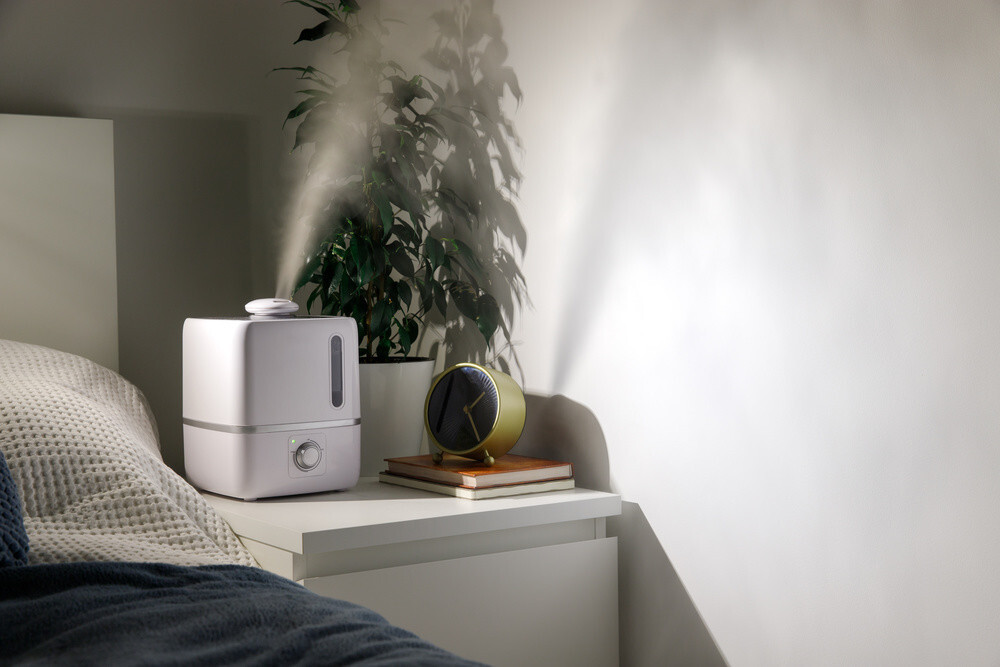
At this point, it is essential that you know the methods that let you control the humidity in your home. Specifically, you should be able to lower or increase the humidity, depending on the needs. 

HVAC Systems

One of the practical methods in addressing humidity problems in your area is by having an HVAC system. For instance, controlling the humidity in a room can be done through the use of an air conditioner. This unit removes water vapor from the room in the process of cooling the room, so even if you don’t hear it running, it’s still working to remove humidity.

However, there are several issues that you need to be aware of when it comes to HVAC systems are their capability to deal with moisture. For instance, if your AC is too big for your space, it will not be able to control both temperature and humidity. This is because these air conditioners’ compressor switches on and off frequently, preventing them from running for extensive periods.

Another problem is that these air conditioners can only run at a single speed. In short, it can just be on or off. Because of this limitation, it will never have enough force to remove excess humidity in your space. 

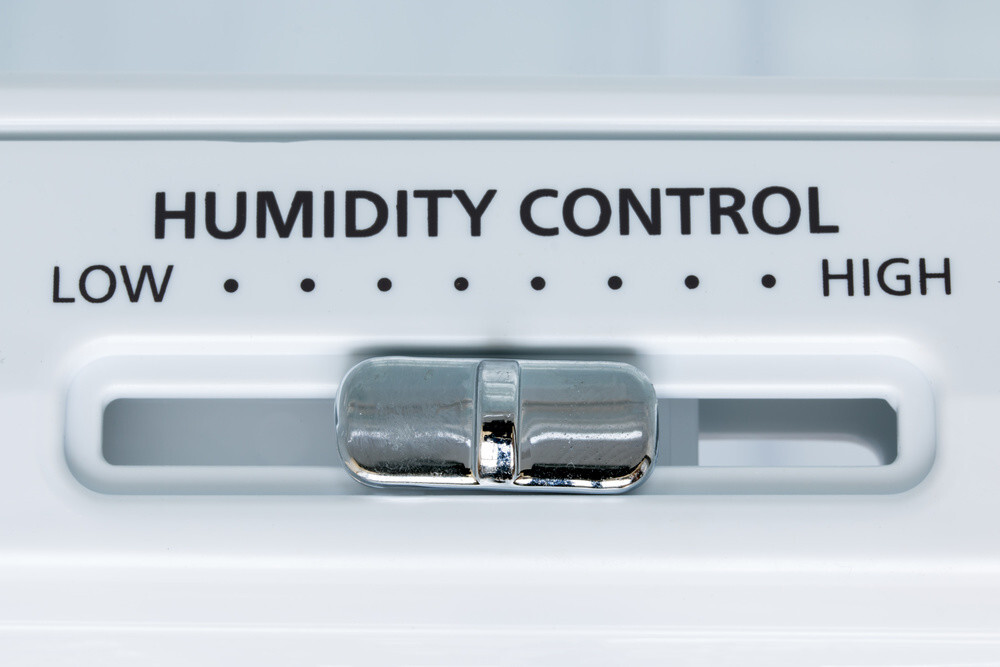
To deal with the changing humidity levels in your home, I suggest that you get a humidifier and dehumidifier. Both of these devices are designed to tackle specific problems in humidity. 

For Increasing Humidity: Humidifiers

Humidifiers are considered a must-have appliance for most homes and offices. Specifically, a humidifier is a device used to increase the air’s humidity or moisture in your home, especially during the cold winter months when the air from your furnace can be extremely dry. 

Most people use humidifiers in their homes to prevent and alleviate symptoms of dry skin, chapped lips, and other common wintertime ailments. Humidifiers can also help prevent dry, itchy eyes, nosebleeds, and other wintertime ailments. 

But how do humidifiers work? The operation of a humidifier is simple and straightforward. When the device is turned on, it uses a fan, pump, filter, and water basin to move water through the device and into your home’s air. Sometimes, humidifiers are treated with fragrant oils to add an alluring and relaxing smell to the air.

For Lowering Humidity: Dehumidifiers

Dehumidifiers are great for removing moisture from the air in areas where dampness can be harmful to your health. It can be used in a crawl space to prevent or cure mold or mildew growth, in a basement, or any part of a home where the air is too wet. 

In contrast to a humidifier, a dehumidifier works by drawing in air through a filter. As air passes over the filter, water particles stick to the filter. The moisture then collects in a reservoir where it can be removed.

It is highly recommended that your dehumidifier should have a big tank to hold as much water as it can. In this way, you don’t need to drain it frequently. Alternatively, you can also look for dehumidifiers that have an automatic draining system. By inserting a hose on its drain plug, the water it collected will be ejected automatically. It prevents the dehumidifier’s tank from becoming full.

How To Know If There Are Moisture Problems In Your Home?
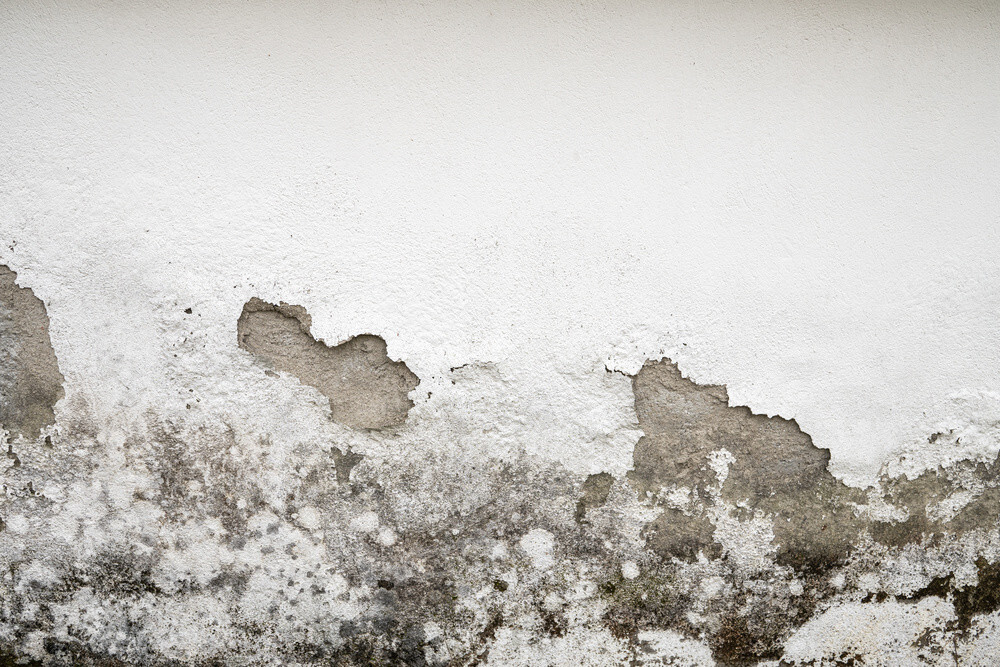
If you are experiencing problems with mold, wood rot, or just an unpleasant musty odor, chances are your home may be too humid.  The first step to taking care of the problem is knowing whether or not you have a humidity problem in your home.  

Here are some of the signs that your home is experiencing humidity problems. 

Smelly Odor

You know that there’s a humidity problem in the house if it emits a pungent and musty smell. It is an indicator that the humidity is too high, causing the air to get wet. Of course, the odor is generated by mold and bacterial growth. If you let the odor stay there, you will be exposed to a myriad of respiratory hazards. 

You should check if there are water or plumbing damages on your property. These problems might be hidden, such as in the crawl space or the insulation embedded behind your walls. If you can, hire a professional contractor to diagnose the root cause of the smelly odor. 

Dark Spots And Patches

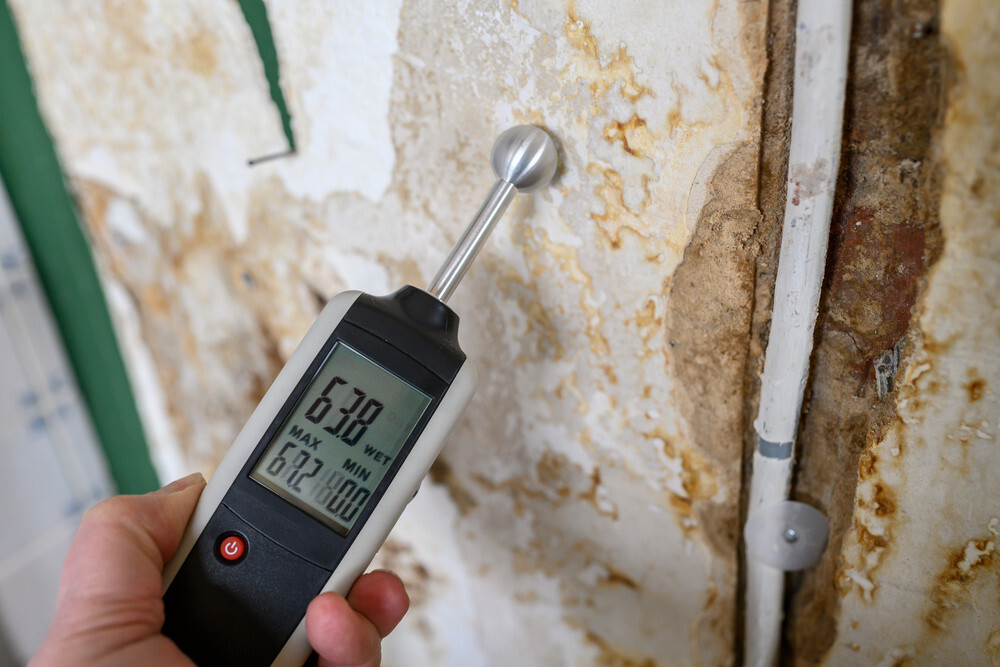
One of the evident signs of moisture problems in a house or building is the presence of dark patches in the ceilings and walls. This is a common symptom seen on old structures and properties that haven’t been taken care of for a long time. 

These dark patches can also be seen after storms and heavy rains. This is an indicator that there’s room damage. It is also possible that leaking pipes in your plumbing system cause the problem. 

Pests

When there is water, there is life. This concept does not only apply to humans and animals. Even for pests like rodents, cockroaches, and termites, water is an important amenity. 

The increasing number of pests in your home could mean that your area is rich in water. If you feel that the air is musty and damp while being pestered by these creatures, there’s a good chance that you have a moisture problem!

Warped Wood And Furniture

In the case of wood, high humidity can lead to mildew, mold, and rot, especially if you don’t have proper ventilation. When wood is exposed to high humidity, it absorbs more moisture and expands, and when the wood dries out, the wood returns to its normal size. 

The same thing happens to your guitar when you leave it in a room with high humidity. The wood, and therefore the neck, warps to accommodate the moisture, and then when the humidity stabilizes, the wood returns to its original size. But of course, you wouldn’t want this to happen, right?

Moisture can be the bane of wood furniture. Regular exposure to humidity can cause wood to crack, warp, and split. When water gets trapped within a wood product, the wood itself swells, and this swelling can cause the wood to break apart as it dries. 

Months and months of exposure to moisture can cause mold and mildew to infect the wood, which can shorten the life of the wood tremendously and lead to staining. Moisture is also one of the leading causes of furniture squeaks and groans, as well as doors that stick and don’t latch. The amount of time that a piece of wood furniture is exposed to moisture ultimately determines how susceptible the wood is to warping, splitting, and cracking. 

Use A Hygrometer To Determine Level Of Your Home

If you are uncertain if you have humidity problems, use a hygrometer. Basically, this device reads the relative humidity in an entire space. If the reading goes higher or lower than 40% to 60%, then there’s a need for you to address the matter right away!

Conclusion

Learning the ideal humidity level of homes is essential to ensure that you avoid any moisture-related problems. Again, let me emphasize that abnormal levels of moisture can actually affect your health and impact your space’s structural integrity. 

With the right knowledge and tools, you will be able to deal with various humidity problems that you can encounter!

I hope that you find this guide useful. If you have other related inquiries, feel free to ask me in the comment section below!

What Is Humidity And Why You Need To Care About It?

Last updated: April 12, 2021

What is humidity? Why is this particular concept something that you need to care about?

Honestly, humidity is a term that gets thrown around a lot, but most people don’t really know what it means. However, you should at least understand its fundamentals, especially if you care about your health and your house or property’s structural integrity.

Allow me to explain this concept more thoroughly below.

What Is Humidity? 

One should know that you don’t need to become a science geek to understand what humidity is. Well, I am not saying that being interested in science is a lame thing; in fact, it is the opposite. Instead, what I am trying to point here is that you don’t need to have a profound scientific background before you can grasp this term. 

Again, let me emphasize that many are quite oblivious about humidity as a concept. After all, it’s a measurement of the amount of water vapor in the air, and to most people, water vapor is invisible. But it’s an important measurement, one that can tell you a lot about the current weather and even what’s going to happen in your city over the next few days.

Specifically, humidity is the existence of water vapor in the air. Hence, you can say that when the humidity is high, there’s a lot of water vapor on it. When the humidity is low, its water vapor content is low, too.

Aside from humidity, you have to understand relative humidity, as well. Relative humidity is derived from humidity, but it holds a more specific meaning. Technically, The relative humidity of air is a measure of how “damp” it feels. It is also a term used to describe the amount of water vapor in the air compared to the maximum amount of water vapor the air can hold at a certain temperature. The maximum amount of water vapor that the air can hold at a certain temperature is called saturation. (The relative humidity of air is the ratio of actual vapor pressure to saturation vapor pressure. In other words, it is the fraction of water vapor in the air.) 

The thing that your weather reporter is reporting during the morning is relative humidity and not just generic humidity.

Where Does Humidity Come From?

Humidity is not an abnormal phenomenon. It occurs naturally in the atmosphere since water vapor is naturally existing, too. 

Again, humidity exists because of water vapor. And at this point, we have to know where water vapor comes from. 

Water vapor gets in the atmosphere via evaporation, specifically from different water bodies such as oceans, rivers, and lakes. 

Furthermore, water vapor has to be considered as an essential aspect of the water cycle. Every time evaporation occurs, water vapor is generated; it is only removed by condensation. 

If the temperature is high, it means the air can absorb more water vapor. Hence, in areas where the climate is warm, humidity is high. If the climate is cold, the air appears to be dry, which suggests that the percentage of water vapor is small. 

For instance, at 86 degrees Fahrenheit, saturated air may contain 1 ounce of water per cubic meter. But when the temperature drops to 40 degrees Fahrenheit, the air may only contain 0.1 ounces of water per cubic meter. 

This particular nuance is the very reason why it is called relative humidity. 

What Causes Humidity In Houses?

Obviously, there’s no seas or lakes in your house. However, this doesn’t mean that humidity is no longer an applicable phenomenon in your humble abode.

In fact, it is an issue that many people have been trying to deal with for many years already. While it is true that humidity is a naturally occurring phenomenon, this doesn’t mean that it doesn’t have any harsh effects on your health and properties. 

However, let me clarify that humidity gets bad if it gets too high or too low. Later, I will discuss the ideal humidity range where you can breathe the air comfortably. In the meantime, let me elaborate on the common causes of humidity.

Numerous factors can influence the humidity levels in your home. The actual design of your house and the materials that are used in its construction can cause changes in the humidity levels. The existence of insulations and retarders may become a factor, too. 

Needless to say, the climate and the current temperature in your area have a significant impact on the humidity of your house. You can say that the average home humidity in Florida is higher than in Minnesota or Alaska. 

Also, you need to take into account the HVAC systems in your home. For example, if your house is equipped with an extremely large AC unit, it will not help absorb the excess moisture in your space. You see, the coils in these air conditioners act as dehumidifiers. If they can run long enough, they will be able to reduce room humidity to proper levels. But it will never happen with large AC units, as they can cool your area fast. Hence, it will be able to run for extended periods, which is essential to guarantee that it can absorb the moisture in the air. 

What’s The Ideal Humidity For Homes? How To Measure It?

The ideal humidity for homes is generally around 40% to 60%, with an optimal comfort range of 30% to 50%. I suggest that you stay on the 45% to 65% to ensure that you are experiencing the most suitable air possible. 

However, you should mind your comfort levels, too. You see, each of us has our own standards of “comfortable.” I can be comfortable at 50% relative humidity, and you can only feel such a thing if the humidity reaches 40%. That’s completely alright, though. The only thing that you need to do is to make the proper adjustments. 

Also, always consider your health, as well as the well-being of your family. Allergy sufferers require the air to be a little bit dry. In this way, molds, fungi, and other allergy triggers will not be able to persist. 

Use a hygrometer to ascertain the humidity in your space. It is a device that can provide accurate humidity readings in your home.

What Happens If The Humidity Is Too Low?

When humidity levels are too low, a home can become very dry and uncomfortable. Not only does this make people feel stuffy and irritable, but it can also cause health problems. You may start to experience problems breathing, your skin will become drier, and you may even get nosebleeds! 

Low humidity can also impact your body temperature. It can make you feel cold, even if the thermostat in your house is cranked to the highest setting. And since the humidity is pretty high, it is easy for bacteria and viruses to thrive. 

Furthermore, low humidity is a common cause of structural damages. It can make furnishings, and wood floors warp, shrink, and crack. It can also cause wallpapers to peel or loosen. Behind the damaged wallpaper, molds can grow quickly. 

What Happens If The Humidity Is Too High?

Humidity is high if the climate is hot. Hence, it is pretty common for excess moisture to take place during the summer. However, you may still suffer from humidity in any part of the year. 

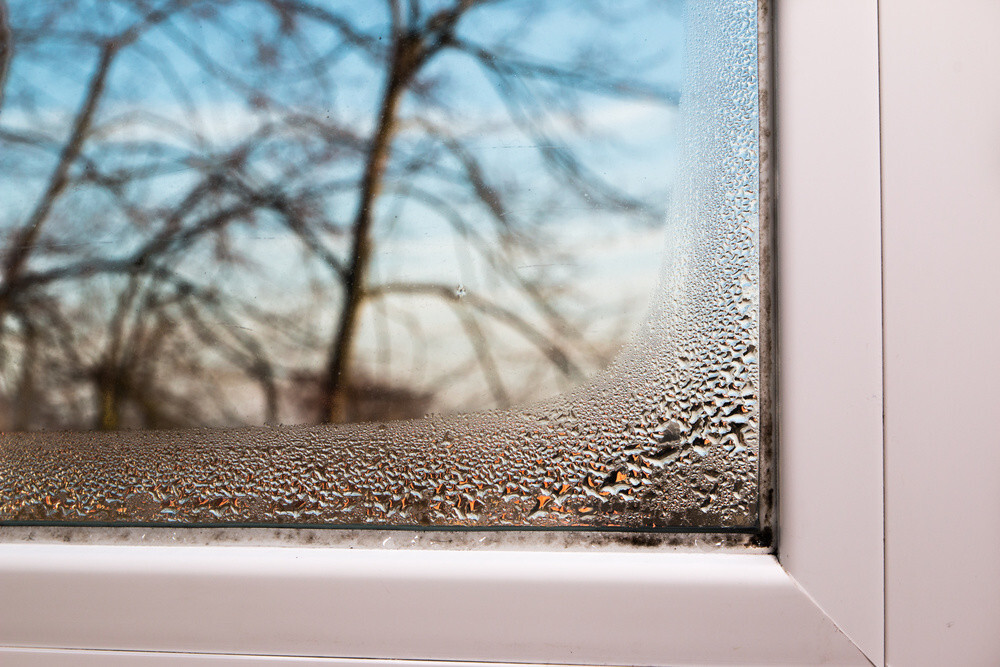
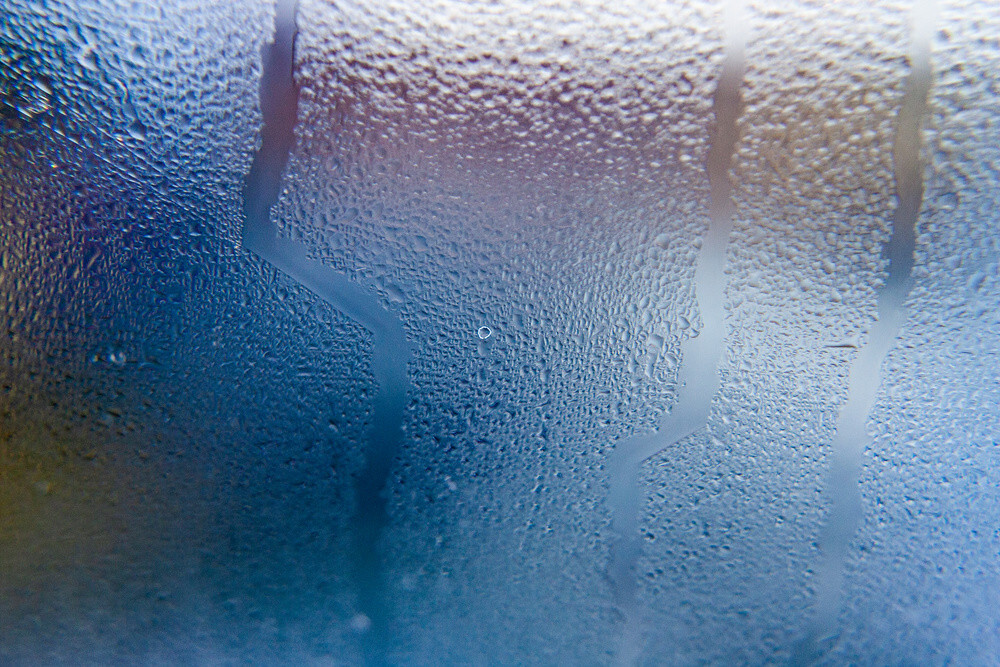
Areas with high humidity may suffer from various symptoms. It can be seen in the unusual condensation of the windows. The presence of stains and wet patches in the ceilings and walls. Furthermore, extremely damp air can generate a musty odor. It can cause your bathroom to be moldy. Keep in mind that high levels of humidity are the primary cause of mildew and mold growth in buildings, which can cause a variety of health concerns such as allergies and asthma. 

Combining high humidity with high temperatures can cause troublesome problems, such as heat stroke. It can also compromise the structural integrity of your home. It can contribute to the quick deterioration of materials, which would result in pest infestation.

How To Control Humidity In Your Home?

At this point, it is essential that you can control your indoor humidity. Basically, you need to achieve the ideal or comfortable range for you and your family. 

To do this, one must invest in either humidifiers or dehumidifiers–depending on your needs. In fact, you can get both of these devices at the same time. 

On a cold, dry winter day, what could be better than stepping into a room that’s warm and cozy with the humidity level set just right? That’s what a humidifier is for. But how does it work?  Essentially, a humidifier helps to make the air in your home or office more bearable by adding moisture to it. It’s a good idea to run a humidifier on dry days, especially in the winter, to help keep your family and pets comfortable and safe, and prevent health complications.

Meanwhile, a dehumidifier is a device that removes moisture from the air to improve comfort in a room or building. Simply put, it keeps the air in your home from feeling stuffy and uncomfortable. It is an excellent choice for people who suffer from allergies, asthma, or breathing problems. Plus, it provides protection against rust, mold, and other moisture-related damage.

Conclusion

It is vital that you are aware of the role of humidity in the overall comfort and structure of your home. Once the moisture is set right, you will be able to avoid health complications and structural problems in your space. I recommend that you shouldn’t ignore the effects of unregulated humidity. Address the matter right away!

I hope that you find this guide useful. For other inquiries, ask me in the comment section below.

How To Dehumidify A Room?

Last updated: April 12, 2021

It is essential that you know how to dehumidify a room. After all, damp air can cause a myriad of health problems. It is also a culprit of furniture and structural damages, especially if there’s prolonged exposure. 

Warm areas typically suffer from high humidity. The higher the temperature, the higher the capacity of the air to carry water vapor. It is not a surprising thing that during summer, the air feels damp. But in the winter, it is somewhat dry. 

Effects Of High Humidity

When the humidity is higher than 65%, it is already above the standard comfort levels. 

You know that sticky, thick feeling you get when the air is heavy with humidity? It can make you uncomfortable and can make it hard to sleep. But there are other health effects of high humidity that you may not even be aware of. Excess moisture in the air can also allow mold and bacteria to grow in your home or on your property. High humidity can also increase the likelihood of respiratory problems such as asthma and allergies.

Of course, it causes damage to your house or building. It can impact the structural integrity of various materials, such as wood. It can warp hard floors, crack guitars, and even shrink some of your furniture. In fact, high humidity can lead to mold, mildew, and other air quality problems and can seriously affect your home’s indoor air quality.

What Causes High Humidity In Houses?

There are multiple reasons why your house is suffering from high humidity problems. 

The first culprit is the climate. If it is hot, the capacity of air to carry water vapor increases. The hotter it is, the more humid it gets. 

High humidity can be a problem in a number of situations, but especially in the summer months, as high temperatures can cause the air to become more saturated with water. This causes the air to become denser and harder to breathe.

The following can also contribute to the sudden increase in your home’s humidity:

  • Showering – If you have ever taken a shower, you know that the water comes out in steam.  Water vapor is a gas, and when you put that gas into the air, it increases how much water is in the air.  
  • Boiling water – When water boils, it turns into steam.  As steam, it rises into the air.  If it’s humid outside, the steam will collide with water droplets in the air. Instead of passing through them, the moisture will condense into water droplets.  That’s why it’s humid after you boil water on the stove. 
  • Gas heaters – Gas heaters can increase humidity in your home. These devices use water to produce hot water, so the moisture in the air is converted into water vapor. It can make your home feel a bit more humid, particularly if you have an older gas heater, which is less efficient.
  • Poor ventilation – Too many people think that ventilation is a cure-all for high humidity. This is not true.  In fact, ventilation increases humidity.  When you open a window to your house, you are letting ambient air inside. This air is saturated with water vapor from the outside air.  
  • Renovations – Does home renovations increase humidity? The answer to that question depends on where you live and the type of renovations you do.  No matter what, they are going to have effects on the humidity in your home. 

When you are thinking about doing renovations, you should think about its effects on your home’s humidity levels. It is essential to make sure that your house is properly dehumidified, as this will help you avoid mold and mildew. If you are thinking about renovations, it is a good time to buy a dehumidifier.

How To Know If Your Indoor Air Has High Humidity?

The first thing that you need to do is to ensure that your area has humidity issues. At this point, it would better if you use a hygrometer to measure the relative humidity of your space. With this device, you will be able to get accurate readings. 

If the hygrometer tells you that the humidity in your space is too high or too low, then you must implement some measures to regulate it. 

By the way, the recommended humidity levels in indoor spaces are around 45% to 60%. Some say that it could go as low as 35%, but it is not a suitable thing to consider, especially if your home has individuals with respiratory illnesses. 

Why Are Basements Prone To High Humidity?

Basements tend to be very humid places for a variety of reasons, but the most common causes are high amounts of both water and human traffic in a small area. Water that enters your basement from the outside can be absorbed into the ground, but a concrete basement floor can’t absorb water, so the water remains in the basement.

When you combine this with the fact that, in the average household, there are about 50 people in a basement (according to the U.S. Census Bureau), it becomes pretty apparent why basements are so humid.

Basements are underground and relatively closed-off areas. Hence, they are naturally cool and humid year-round. People living in the Midwestern United States, especially in areas that see a lot of rain, should be especially concerned about high basement humidity. 

However, the following things can also cause an abnormal increase in the humidity of your basement: 

  • Water leakages
  • Flaws in landscaping
  • Damaged or misplaced gutters
  • Cracked concretes
  • Poor ventilation

How To Dehumidify A Room

We all want to be comfortable while we are home, and unfortunately, the summer heat can get overwhelming. Luckily, you can dehumidify your room to make you feel more comfortable.

The Best Solution: Dehumidifier

A dehumidifier is a device that removes excess moisture from the air, and it’s beneficial in many homes and offices. A dehumidifier is an appliance designed for removing moisture from the air in the process of dehumidification, using a refrigeration cycle. Still, the process is fairly similar to that of an air conditioner, which uses a refrigerant to cool the air. The water is captured in a collection tray or reservoir and can be emptied manually or automatically.

There are three main types of dehumidifiers: desiccant, refrigerant, and passive. Desiccant dehumidifiers work by drying the air to a certain humidity level. Oftentimes, this is accomplished by pulling air through a desiccant material. Refrigerant dehumidifiers work by cooling the air to a specific humidity level. Passive dehumidifiers work by heating the air to a certain humidity level.

Other Methods Of Removing Excess Humidity In A Room

  • Improve ventilation – Ventilation is the process of changing or replacing air in any space to control temperature and ensure good indoor air quality (IAQ). Ventilation can be achieved through natural (through openings in a building’s structure) or mechanical processes. Opening a window in your house will allow fresh air in, helping to equalize the air pressure inside and outside. 
  • Take out your indoor plants – Plants generate moisture. And if you have a lot of them in your house, it is natural that they can significantly add to the dampness in the air. 
  • Repair water leakages – You can reduce the humidity in your home by fixing any water leaks. Water leaks can be a major cause of poor indoor air quality and can be challenging to detect. One of the most common places for a water leak to occur is in the toilet tank. The tank is a closed system, and water evaporates into the air. If too much water evaporates, the tank becomes empty, and the float valve will not refill the tank. This results in a water leak and can cause mold growth and high humidity levels.
  • Don’t shower for too long – It’s not news that taking longer showers uses more water and electricity, but did you know taking shorter showers also helps reduce humidity? The truth is, when you take a more extended time in the shower, it increases the humidity of your home. The water can turn into water vapor, which is then absorbed by the air. The more you use water, the damper your air gets.
  • Get solar air heaters – Solar air heaters are a great way to lower your environmental impact because they use the power of the sun to heat air and can reduce your energy bill. They also help to combat humidity levels and can be a big help in reducing colds and allergies. If you are looking for a way to lower humidity in your home, but don’t want to invest in an expensive AC system, then a solar air heater is an eco-friendly way to do it.

In a nutshell, a solar air heating system includes a solar collector, a solar storage tank, and a fan. As the sun’s rays hit the collector, the solar collector absorbs and stores the heat. The solar storage tank is attached to the solar collector. The fan blows air through the solar storage tank and into the room. It takes the hot air from the solar storage tank and mixes it with the cooler air in the room. 

How Does A Dehumidifier Work (And Other Things That You Need To Know About It)

Last updated: April 12, 2021

How does a dehumidifier work? Do you need to get this device for your space? 

High levels of humidity are the bane of many homes and establishments in the United States. Even other parts of the world have this problem, too. But it should not come as a surprise, though. 

Every time the weather gets hot, the absorptive capacity of air to hold water vapor increases. In short, during warm days, the air can get damp and musty. If not resolved, it causes health problems and structural damages. 

A dehumidifier is a device designed to lower the humidity of any indoor setting. Read on and learn how this machine does its job. 

What Is A Dehumidifier?

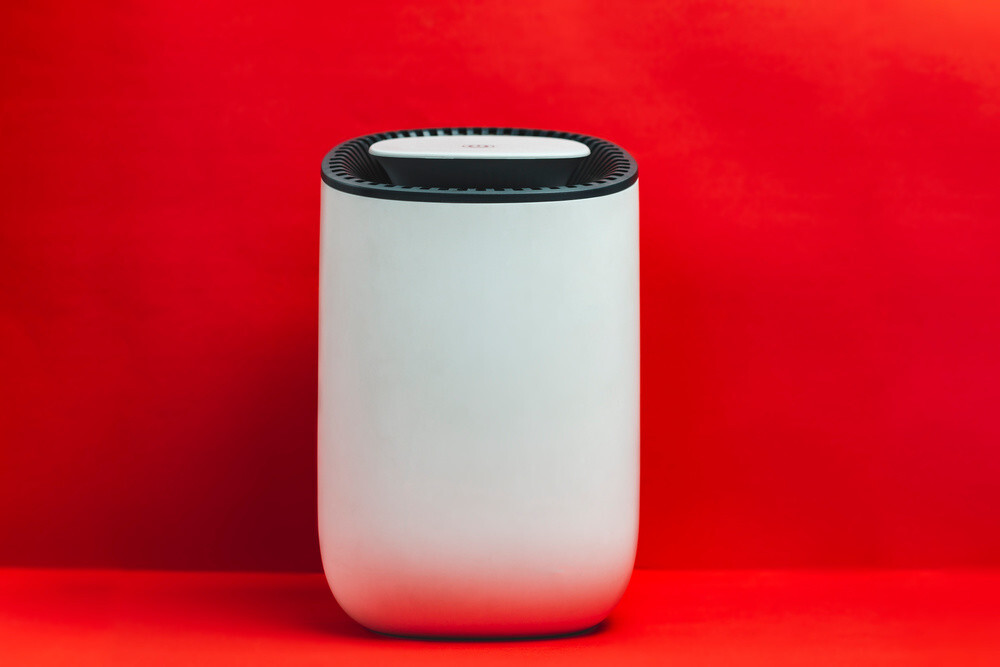
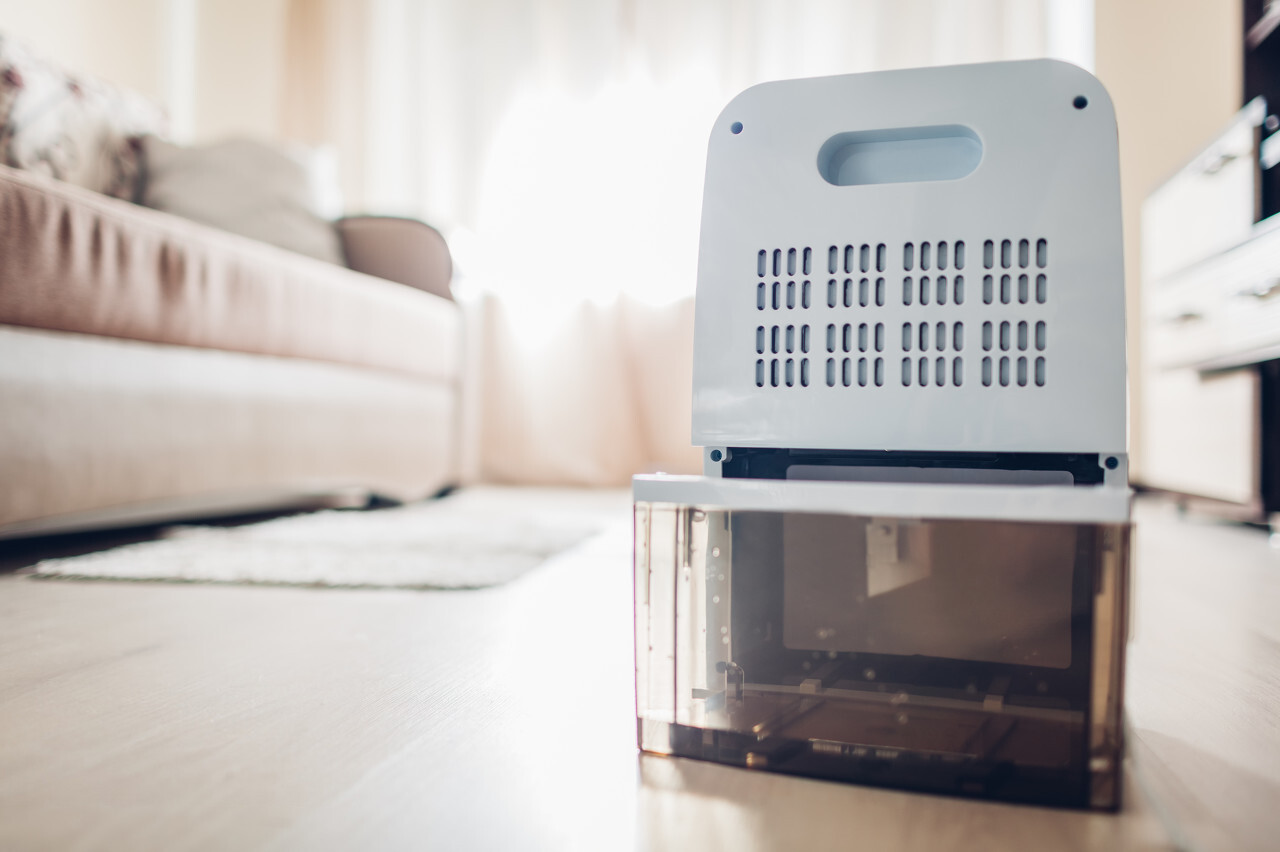
A dehumidifier is a machine that removes water vapor from the air. It is used to remove moisture from the air in basements, crawl spaces, and other areas that have a high risk of water damage. The water is collected in a reservoir at the bottom of the machine, and it must be emptied regularly to prevent overflow. Once the water has been drained, it can be used for laundry, watering plants, or cleaning.

A dehumidifier is an energy-efficient machine that runs on electricity. Though the machine is quite useful, it is essential to remember that it does not remove moisture. Instead, it cools down the air, which condenses the water vapor in the air and collects it in the reservoir.

How Does A Dehumidifier Work?

A dehumidifier works similar to a vacuum cleaner. But it does not function to suck dirt in your house. Instead, what it sucks in the air from your space. Once inside, the dehumidifier removes the moisture in the air. It releases the air back with minimal humidity already. 

The moisture absorbed by the dehumidifier falls into its water tank. Hence, there’s a need for you to empty it regularly unless it has an automatic draining feature. 

It repeats this job continuously until the moisture gets back to your desired level. In most cases, the dehumidifier stops working if its tank is full. Others have a programmable setting that lets you configure their runtime. 

Meanwhile, those that have humidity can operate on their own. Once they detect that the humidity level on the air is already at the comfortable level, they will stop absorbing air. But once the humidistat reads an increase in the indoor humidity, it forces the dehumidifier to operate again. 

Types Of Dehumidifiers

Refrigerant Dehumidifiers

Refrigerant dehumidifiers are the most common type of dehumidifier for home use. They cool the air entering the room using refrigeration technology, preventing moisture from entering the air due to condensation. 

On a hot day, the refrigerant dehumidifier works just like a regular refrigerator. The moisture and heat from the air enter the dehumidifier, where it enters the next stage of the process. In the compressor, the refrigerant removes the heat from the air, cooling it to the desired temperature. The cooled air leaves the compressor and enters an evaporator coil. In the evaporator coil, the refrigerant absorbs moisture from the air, forcing it into a liquid state. The liquid falls to a water tank while the dry air is blown back to your space.

Desiccant Dehumidifiers

A desiccant dehumidifier is a type of dehumidifier in which the primary moisture removal mechanism is a desiccant. The desiccant acts as an adsorption material that attracts water vapor from the air, leaving the air drier. The most common desiccants used in dehumidifiers are silica gel and molecular sieves. 

This is in contrast to a refrigerant-based dehumidifier, which removes water from the air by means of an evaporator that is cooled by a refrigeration system.

Dehumidifying Ventilators

This type of dehumidifier comes with an exhaust fan that expels the moist air outside. It has a sensor that detects the current humidity in your space. Most of the time, they are being used in areas that are riddled with severe humidity problems, such as crawlspaces, attics, and basements. 

Whole House Dehumidifiers

A whole-house dehumidifier is a dehumidifier that is designed to be installed in your home’s HVAC system. This type of dehumidifier can be more energy efficient than a stand-alone dehumidifier. Whole house dehumidifier units are integrated into a home’s HVAC system in the ductwork, and they are connected to a drain. They are turned on when the air conditioning or heater is running, but they may also be manually turned on in other instances that require dehumidification in the home.

Portable Dehumidifiers

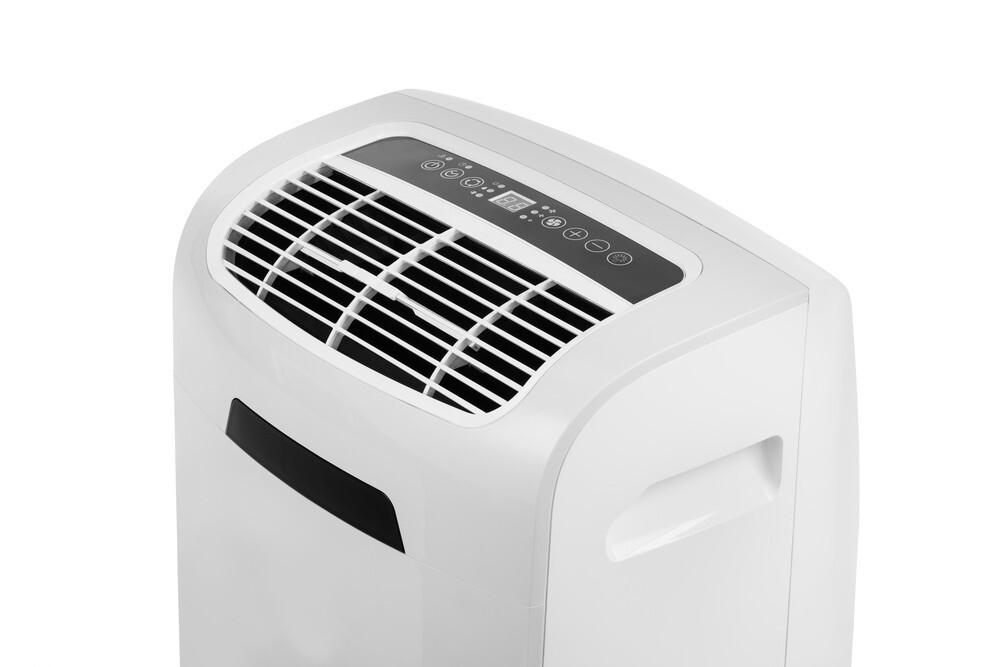
For many, using a portable dehumidifier may be a way to increase the comfort of their home. When you have a portable dehumidifier, you can easily move it to where it is needed most. This is great for meeting the needs of individual rooms in your home. If you have a basement that needs to be dehumidified, you can place the portable dehumidifier there. If you have a room that tends to feel stuffy, you can move the portable dehumidifier there and get the air back to its natural state.

Humidifier vs. Dehumidifiers

The answer to this question should be obvious. If the job of the dehumidifier is to reduce the moisture in the air, a humidifier increases it. 

Specifically, humidifiers are useful during the cold months, when the air gets dry, or when people use their heating systems at full capacity. Their job is to add moisture in the air by adding water vapor to them. 

There are many types, including warm mist and cool mist.  Cool mist humidifiers are the most popular type because they are quiet and don’t heat the air in your room. They are available in a wide range of sizes and styles and often have additional functions, such as air purification. 

All humidifiers have a reservoir that holds water. This water is then heated or cooled, depending on the model, and the resulting steam or mist is dispersed into the air.

Dehumidifiers vs. Air Conditioners

Interestingly enough, dehumidifiers and air conditioners have similar working principles. At the same time, they have common components, too. Many people think that an air conditioner can become a substitute for a dehumidifier. But the majority has the consensus that dehumidifiers will never be able to cool a room as the air conditioner does. 

Generally, the job of air conditioners is to provide cool air to your space. Meanwhile, dehumidifiers will cool air so that it can separate the moisture from it. But this doesn’t mean that the dehumidifier can become a significant cooling machine. 

Of course, air conditioners may reduce the humidity of the air, especially if they run long enough. But if your air conditioner is too powerful, it may not accomplish the job. After all, AC units that can cool fast are not required to run extensively. They may remove moisture but not on significant volumes. 

Hence, if you are going to invest in the two, you have to assess your needs first. Do you want a household cooling machine? Or do you want to dehumidify your space?

When To Use A Dehumidifier?

There are a lot of uses for a dehumidifier. Needless to say, people invest in dehumidifiers for a variety of tasks. However, their goal should be the same: to remove the effects that high humidity has caused. 

If the following scenario is familiar to you, then you might need to get a dehumidifier, too.

  • Mold growth – Mold grows in warm, humid conditions and can be triggered by various things, like a broken air conditioning unit or a leaky pipe.  The dehumidifier works by collecting and eliminating excess moisture in the air, which prevents mold from developing. 
  • Eliminate dust mites – Dust mites are a common problem in humid climates, and a dehumidifier can be a great way to cut back on their population. A dehumidifier reduces the presence of dust mites by creating an environment that is not livable for them. If the air is no longer damp, these mites will not persist anymore. 
  • Comfort problems – If you live in a humid place, like the southeast or southwest, you know that your clothes, sheets, and other materials are not always dry. This is because the humidity in the air makes them damp and thus can make you feel uncomfortable. Dehumidifiers remove the stickiness and musty feeling in the air, making it more comfortable to the body.
  • Water stains – With high humidity, it is not impossible for stains to appear in your walls and ceilings. These stains can be problematic, as they are a sign that there’s an immediate repair or replacement that will come soon. To prevent this issue from happening, get a dehumidifier right away. 
  • Ubiquitous condensation – If your house is riddled with the effects of condensation, especially in the windows, then you need to get a dehumidifier right away. Indoor condensation happens when the humidity level is extremely high.
  • Health problems – Have you been experiencing frequent sneezing, skin rashes, and itchiness? Are you having a hard time coping up with your allergies and asthma attacks? If so, you might improve the air quality of your space. And you can do that by reducing the air’s moisture content with the use of a dehumidifier. 
  • Damaged structures – Water can cause rapid deterioration of various construction materials such as wood. It can warp and crack them. Moisture can also peel wallpapers, causing unwarranted expenses on repairs and replacements. 

Where To Use A Dehumidifier?

There’s nothing worse than coming home from a long day at work to find your basement a soggy mess. Even worse is when you come home from a long day at work to find your basement a soggy mess, and the floorboards are warped, and your furniture is covered in mold. That’s why it’s essential to know where to put your dehumidifier.

In Basements

Basements are usually damp, and the presence of moisture poses a lot of problems. There are many different causes of dampness in a basement, including seeping of groundwater, leaking pipes, faulty foundation walls, and faulty plumbing. The presence of dehumidifiers is beneficial in this part of your home. 

In Bedrooms

It’s no secret that the humidity in a house can affect your health and wellbeing, especially while you’re sleeping. When you’re in bed, you’re surrounded by many different materials that can cause quite a bit of moisture in the air. A dehumidifier can counteract these effects, ensuring that you can sleep comfortably throughout the night. 

In Bathrooms

When you have a bath or shower, you’re creating a lot of moisture in the air. Some of this moisture will make its way into your nooks and crannies, and if you don’t have a dehumidifier, it can make your bathroom a very uncomfortable place to be in. 

In Kitchens

It is a common misconception that dehumidifiers are only useful in basements, but in reality, they can be very beneficial in your kitchen as well. Humidity is created when you steam or boil water. And the more you use your kitchen for cooking purposes, the more you need a dehumidifier on them. 

Conclusion

Learning how a dehumidifier works enables you to ascertain its importance in your day-to-day living. Basically, the device can improve the air quality of your home by making it less humid. It saves you from health issues and other structural damages caused by moisture. 

I hope you find this guide useful. For other concerns and inquiries, feel free to ask me in the comment section below!

How To Use A Dehumidifier Properly – 5 Tips To Consider

Last updated: April 12, 2021

It is crucial that you know how to use a dehumidifier properly. After all, you can only benefit from this device if you know how to operate it based on your needs and requirements.

Furthermore, proper usage of a dehumidifier can actually help you extend its lifespan, effectively reducing the need for frequent repairs and replacements. 

Fortunately, it is not that difficult to use these dehumidifiers. Even if it is your first time using a dehumidifier, the learning curve is not that difficult. You just have to follow the tips and recommendations that I’ve listed below. 

What Is A Dehumidifier? What Are Its Benefits?

A dehumidifier is a device designed to reduce the level of humidity in the air. It does this by means of collecting the water in the air using a fan or absorbent. There are two basic types of dehumidifiers: desiccant dehumidifiers and refrigerant dehumidifiers. Desiccant dehumidifiers use a material that absorbs water from the air, such as silica gel, while refrigerant dehumidifiers use a refrigerant to cool the air, which causes the water to condense. 

There is also a third type of dehumidifier, an ionic air purifier, which uses an ionic process to remove moisture from the air. However, some people have qualms when it comes to ionic dehumidifiers. It’s one of the reasons why people these days only opt for refrigerant and desiccant dehumidifiers, regardless of the application. 

With a dehumidifier, you can actually eradicate the excess moisture in the air. It reduces the mustiness and dampness of the air while returning its breathability and comfort levels. 

A dehumidifier removes the possibility of mold growth, water spots, and furniture damage in your space. During summer, where the air is particularly humid, this device comes in extremely handy. In fact, every time that the humidity in your area increases, you should have a dehumidifier on stand-by. 

How To Use A Dehumidifier Properly

Here are some of the basic guidelines that would allow you to maximize the potential of a dehumidifier.

Pick The Right Dehumidifier First

Many people tend to complain that their dehumidifiers are not doing enough moisture removal. Of course, we can assume that the device has some problems. 

But before returning it to the seller or manufacturer, you have to check first if the dehumidifier is indeed compatible with your intended application. 

Dehumidifiers are not built the same. Each of them is designed to accommodate a particular task or requirement. Some dehumidifiers are designed for whole-house applications, while others are for single-room use, such as bedrooms and kitchens. 

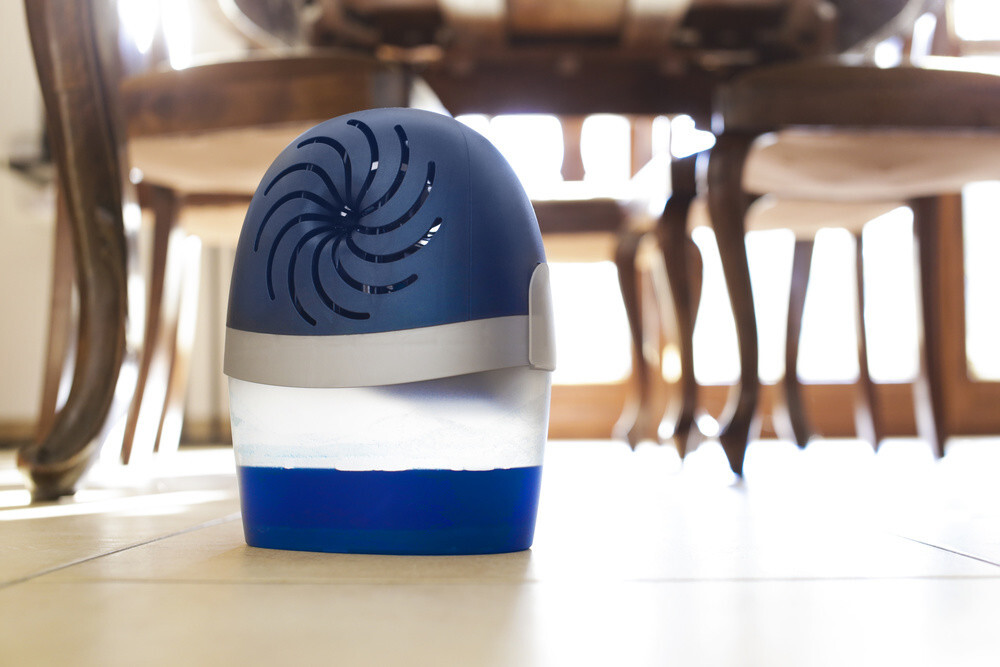
Meanwhile, there are also dehumidifiers meant for small spaces, such as in your closets, gun safes, and guitar cases. These dehumidifiers do exist, and they function well enough. However, you can’t expect these small dehumidifiers to absorb the moisture in a large room. 

Generally, the bigger the dehumidifier, the more capable in absorbing large volumes of moisture. Hence, you can expect that whole-house dehumidifiers have a significant size difference from their portable and single-room counterparts. 

Get the size of the area that you want to dehumidify. The measurement should be in cubic feet. After that, look for dehumidifiers that match the measurement that you got. You can see this by checking their labels or user manuals. 

Set The Right Configuration

If you want to maximize the performance and effectiveness of a dehumidifier, you need to set its settings correctly. 

When it comes to this matter, you need to get an idea about the proper indoor humidity. Correct humidity is where the air’s moisture content is normal–not too less, not too much. 

Well, many agree that the correct humidity of rooms and interiors is between 45% to 65%. However, others are comfortable with 35% to 50% humidity levels. Any of these options are alright, especially if you are comfortable with them. Anything that is higher or below these figures may cause discomforts and unwarranted damages to your properties. 

In our context, we shouldn’t let the humidity exceed 65%. Otherwise, you’ll experience dampness and odor in the air. In fact, in areas that are particularly humid, a relative humidity level of 55% to 60% can already cause adverse effects. 

It would be advantageous if the dehumidifier you get has a humidistat. This component reads the humidity levels in a room and adjusts the performance of the dehumidifier accordingly based on it. 

Learn The Proper Placement

You have to know that the placement of a dehumidifier can affect its performance. For instance, if you are going to place the dehumidifier in the middle of large fixtures and furniture in your home, it will not be able to do its job properly.

Oppositely, a dehumidifier that has an elevated placement without any obstructions will dehumidify your space evenly. 

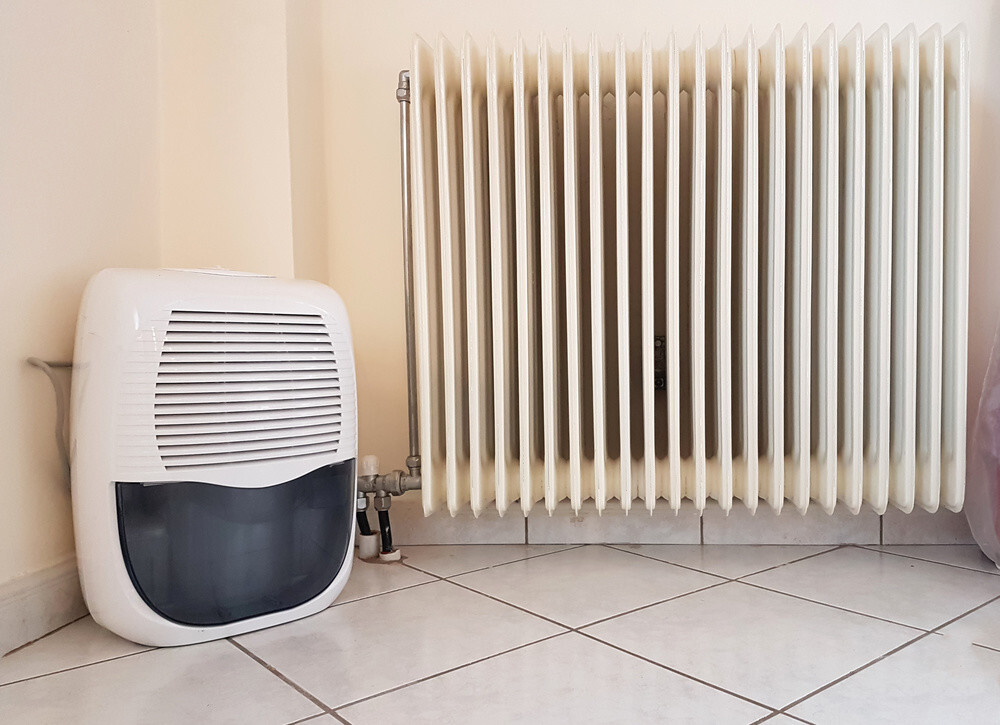
Furthermore, you should avoid placing the dehumidifier against the wall. It is a common mistake that I always see. Keep in mind that dehumidifiers work by absorbing air using a fan from one end and eject it back into your space through its exhaust vents. If you place the dehumidifier against a wall, it is possible that either the vents or the fans will get blocked. It will prevent the dehumidifier from working. 

Where To Place A Dehumidifier?

Here are some of the ideal locations for a dehumidifier placement:

  • Place it on a spot where there’s good air circulation.
  • Look for areas where there’s minimal traffic.
  • Put the dehumidifier away from obstructions and walls (at least ten inches away).

If the dehumidifier offers an automatic draining function, make sure that you place it where it is near to a hose and drainage system. In this way, you can utilize the said feature of the dehumidifier. 

Mind The Weather

Humidity may become a problem, regardless of the climate and season. Again, there are some regions in the world where moisture is always high. 

During hot seasons, the dehumidifier can normally run since moisture is heavily present. But when the temperatures are low, there are some considerations that you need to take into account. First, there’s a possibility that the water that the dehumidifier absorbed may freeze. It is a common sight during winter. 

Second, you may not opt for refrigerant dehumidifiers if it is too cold. After all, you can’t risk running the dehumidifier when you are being riddled with freezing temperatures. At this point, you might want to opt for desiccant dehumidifiers. 

Don’t Forget To Empty The Water Tank

It is essential that you maintain the dehumidifier regularly. You will be able to prevent the device from deteriorating quickly if you do this regimen regularly. 

One of the ways you can maintain the dehumidifier is by emptying its tank every time it is full. Do not let it sit there, as it can cause mold and bacterial growth. 

However, you may not need to empty the dehumidifier if it comes with an automatic draining capability. You just need to attach a hose to its drain plug, and the device will automatically drain the water it collected.

There are other ways you can maintain a dehumidifier. Here are some of them:

  • Clean the filters regularly. You need to do this every six months. If you are using the dehumidifier continuously, you need to change the filters more frequently. 
  • Dust the exterior of the dehumidifier, especially the vents and intake. 
  • Check the coils and see if they are functioning properly. If they are frozen, let them thaw. 

Conclusion

Being able to use a dehumidifier properly will enable you to improve its performance to the peak. If you badly need dehumidification in your home or office, an adequately functioning dehumidifier is essential. With the recommendations I listed above, you will be able to get a dehumidifier to remove excess moisture adequately.

I hope you find this guide useful. If you have other inquiries, feel free to drop them in the comment section below.

  • « Go to Previous Page
  • Go to page 1
  • Go to page 2
  • Go to page 3
  • Go to page 4
  • Interim pages omitted …
  • Go to page 7
  • Go to Next Page »

Footer

AirKozy.com is a participant in the Amazon Services LLC Associates Program, an affiliate advertising program designed to provide a means for sites to earn advertising fees by advertising and linking to amazon.com.

Facebook

Instagram


Copyright © 2026 · AirKozy.com. All Rights Reserved.